
By Arie Egozi, Autonomy Global – Ambassador for Israel
In 2026, Ukraine is set to remain a frontline proving ground for Western defense technologies, with AI-enabled and autonomous systems at the center of this live-fire experimentation. Western governments and industry now treat the conflict as a continuous feedback loop for rapid iteration that no laboratory can match.
Brave1 and “Test in Ukraine”
In July 2025, Ukraine launched the “Test in Ukraine” initiative through its Brave1 defense innovation complex, inviting global arms manufacturers to push drones, robots, missiles and laser systems into real combat against Russian forces. European-led defense companies provide remote training before Ukrainian units field the systems and return detailed performance data from the front.
This structured pipeline accelerates development cycles for uncrewed platforms, electronic warfare (EW) capabilities and artificial intelligence (AI) modules, while opening doors for local Ukrainian co-production. NATO militaries and prime contractors gain operational insights under sustained, high-intensity conditions that are impossible to simulate in peacetime.
Western Firms Racing To Learn
Dozens of Western firms, from startups to established players such as Quantum Systems and Palantir, have pushed AI-enabled drones and robotics into Ukrainian service to validate performance in contested air and electromagnetic environments. UK officials have gone so far as to warn that drone manufacturers must test in Ukraine to stay relevant and avoid technological obsolescence.
Israeli analysts note that air and missile defense systems, including Patriots intercepting Kinzhal missiles, are feeding “critical feedback” to NATO engineers, who are refining upgrades based on dense, real-world engagement data. German contractors are reported to push software updates directly into theater, while NATO doctrinal shifts increasingly factor in drone swarms and algorithmic decision-support.
AI On Both Sides of the Front
According to Israeli sources, Ukraine has become a key real-world testing ground for AI-enabled and autonomous military systems, even as most remain “human-in-the-loop” rather than fully autonomous. Both Ukrainian and Russian forces are deploying AI for target detection, intelligence analysis, demining, navigation, and electronic warfare in heavily jammed and GPS-denied environments.
Ukraine’s defense ministry says AI tools process tens of thousands of frontline video feeds each month to identify, geolocate, and prioritize targets, turning raw sensor data into actionable battlefield pictures in near real time. AI-driven command-and-control platforms fuse drone, ground, and other sensor inputs into dynamic situational awareness products for commanders.THE-UKRAINE-WAR-TEST-BED-FOR-AI-SYSTEMS.docx
Toward Autonomous “Kamikaze” and Killer Drones
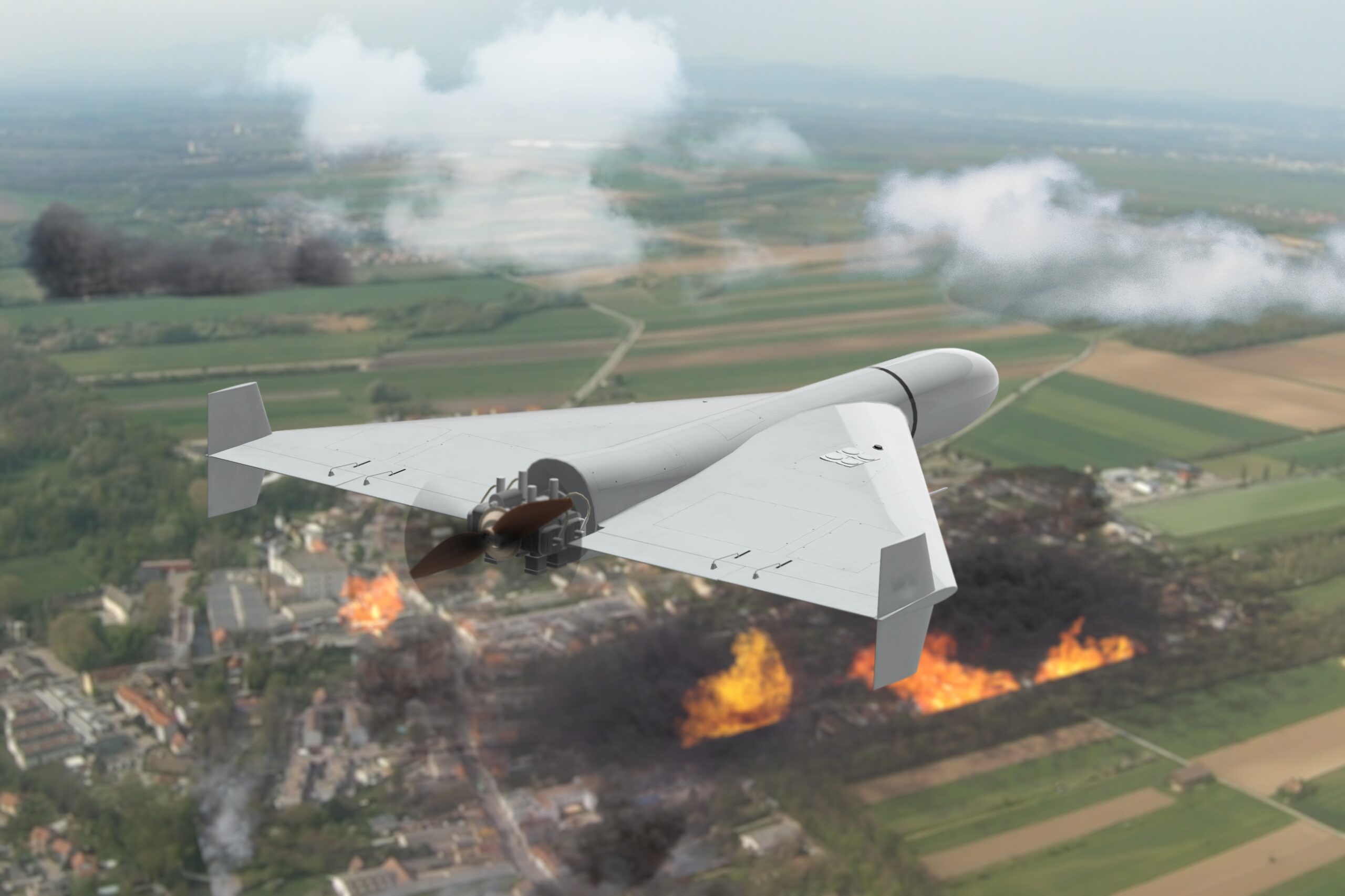
Ukrainian developers are testing drones with onboard AI that can lock onto a designated target and autonomously fly the terminal attack leg when data links are jammed, effectively acting as semi-autonomous “kamikaze” systems. New “killer AI” drones, once cued onto a target, can pursue and strike without continuous human control. This marks a critical step toward higher degrees of autonomy in lethal engagements.
Russian forces are also reported to field AI-enabled drones, swarm-style attacks and AI-based anti-drone and EW systems, creating an evolving contest between autonomous strike capabilities and counter-autonomy tools. This accelerating offense–defense cycle is shaping requirements for future counter-UAS, EW and air-defense architectures across NATO and partner states.
Ukraine as a Template for Future Wars
Ukrainian officials and independent analysts describe the country as the first state fighting a large-scale war in which AI, autonomous systems and real-time data integration are truly central to day-to-day operations. The front line functions as a continuous test field where new concepts, software builds, and hardware configurations are validated, or discarded, under fire.
Western companies are reportedly trialing modular AI payloads on aerial and ground robots, using combat feedback to drive rapid software and hardware iteration cycles that would normally take years. As this feedback loop strengthens, Ukraine is increasingly seen as a driver of 21st-century warfare innovation, shaping how future conflicts will integrate autonomy, data and human decision-making.