
By: Dawn Zoldi
Autonomy level 4 describes a vehicle that can drive itself without human intervention under defined conditions or in specific geofenced areas, even if the human does not respond to a request to intervene. In other words, the system, not the human, is primarily responsible for driving within its operational design domain, a decisive step between today’s advanced driver-assistance (Level 2/2+) and the fully driverless promise of Level 5. Tensor’s “Robocar” showcase at CES 2026 in Las Vegas offered a glimpse of how the industry intends to close that gap and move from assist features to true autonomy in on-road electric vehicles (EVs).
From Driver Assist To True Autonomy
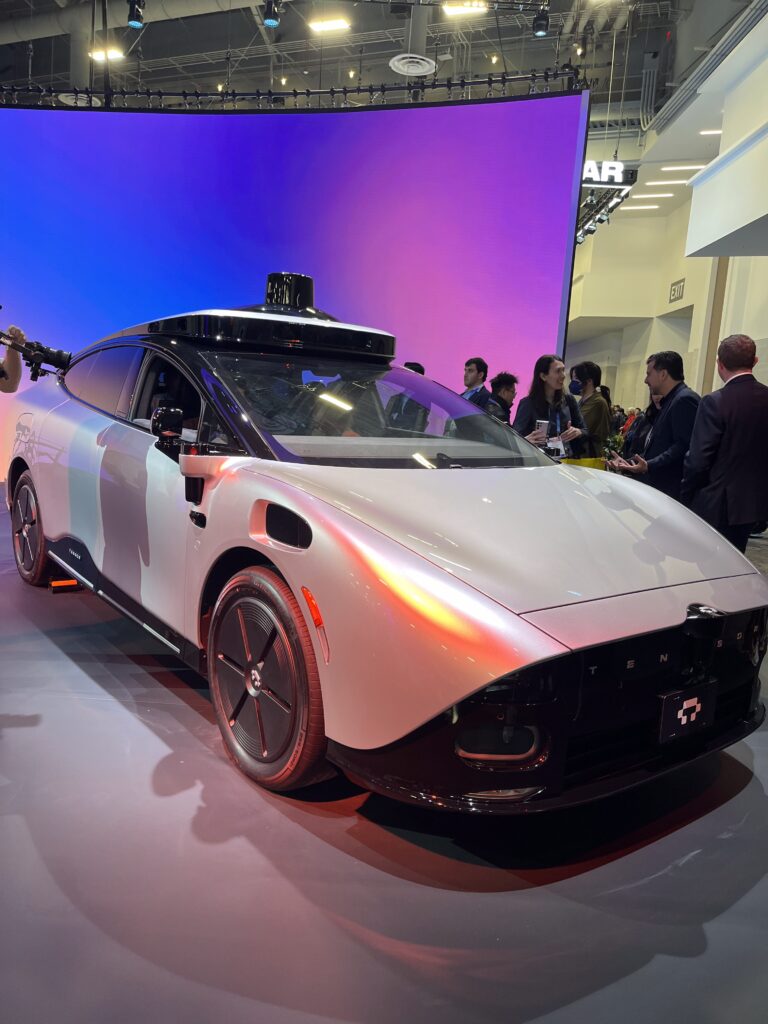
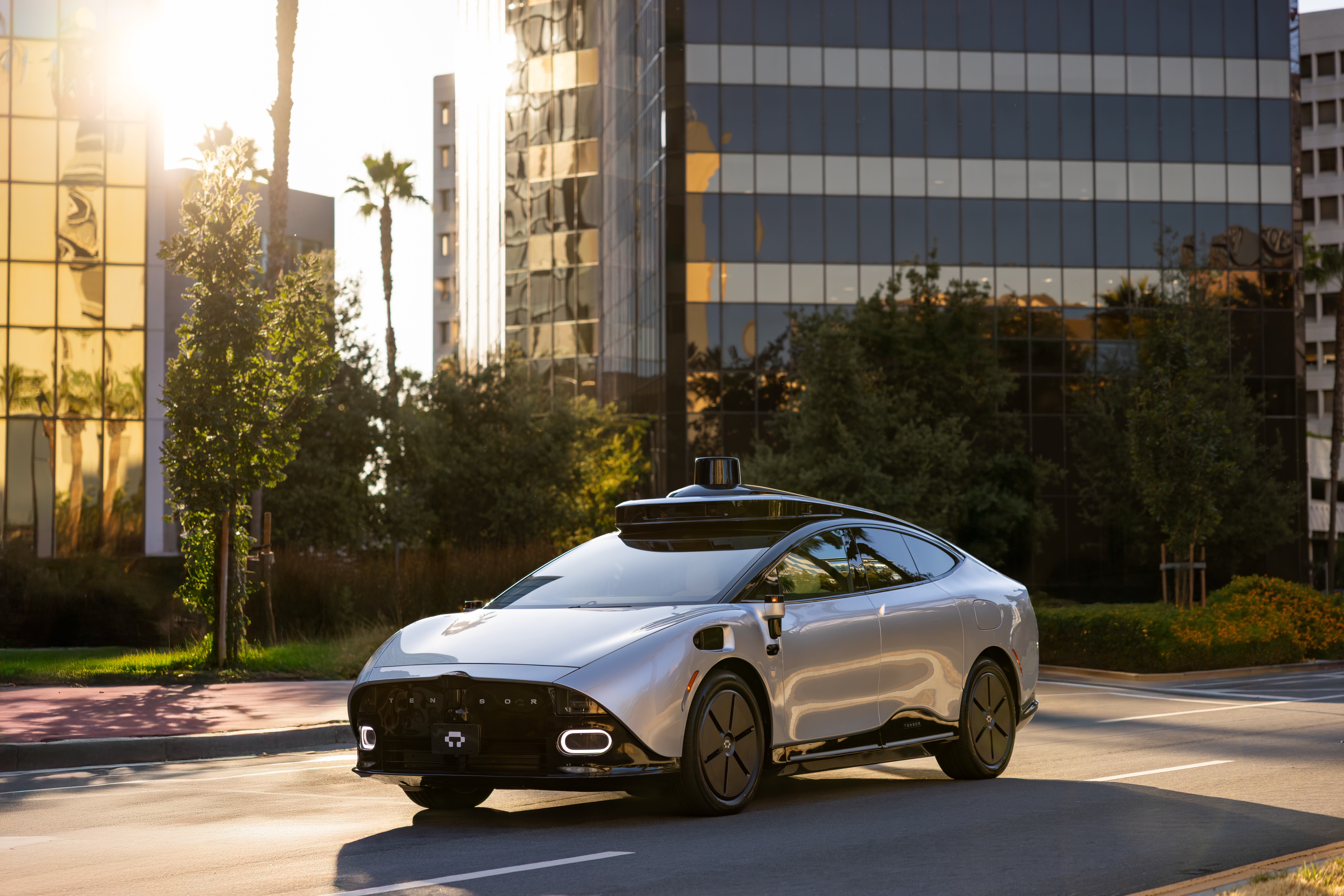
At CES, Tensor unveiled what it describes as “the world’s first Level 4 robocar that a private customer can actually own, park in their garage and insure like a normal car.” While many automakers still emphasize incremental Advanced Driver Assistance Systems (ADAS) upgrades, Tensor’s tech preview focused squarely on what it takes to deliver Level 4 capability in production-relevant hardware and software stacks.
The company’s approach starts with a clear separation between supervised and unsupervised autonomy to position Level 4 as a service-grade capability that can be deployed in specific cities or corridors before scaling nationwide. As Amy Luca, Chief Marketing Officer for Tensor put it, “We’re moving from driver-assistance to driver-optional. Your car can genuinely take the wheel for entire trips inside our approved zones.” That framing aligns closely with advanced air mobility (AAM) and uncrewed aircraft systems (UAS), where operational design domains, safety cases and scalable deployment models matter as much as raw AI performance.
Tensor’s Stack: Sensors, AI And Compute
A tightly integrated stack that combines multi-modal sensing, high-performance onboard compute and a perception-planning-control pipeline optimized for autonomous vehicle (AV) platforms forms the core of Tensor’s tech. Rather than betting on a single sensor modality, the company pairs cameras with lidar and radar to ensure robust performance across lighting and weather conditions for truly credible Level 4 claims.
The company emphasized that it trains its perception models on diverse real-world edge cases. These focus on rare but critical scenarios, such as unusual road users, construction zones and unpredictable human behavior at intersections. The models then feed into a planning layer that can generate and evaluate multiple trajectory options in real time to leverage EV-friendly compute architectures that balance performance with power efficiency.
Why EVs Are The Natural Home For L4
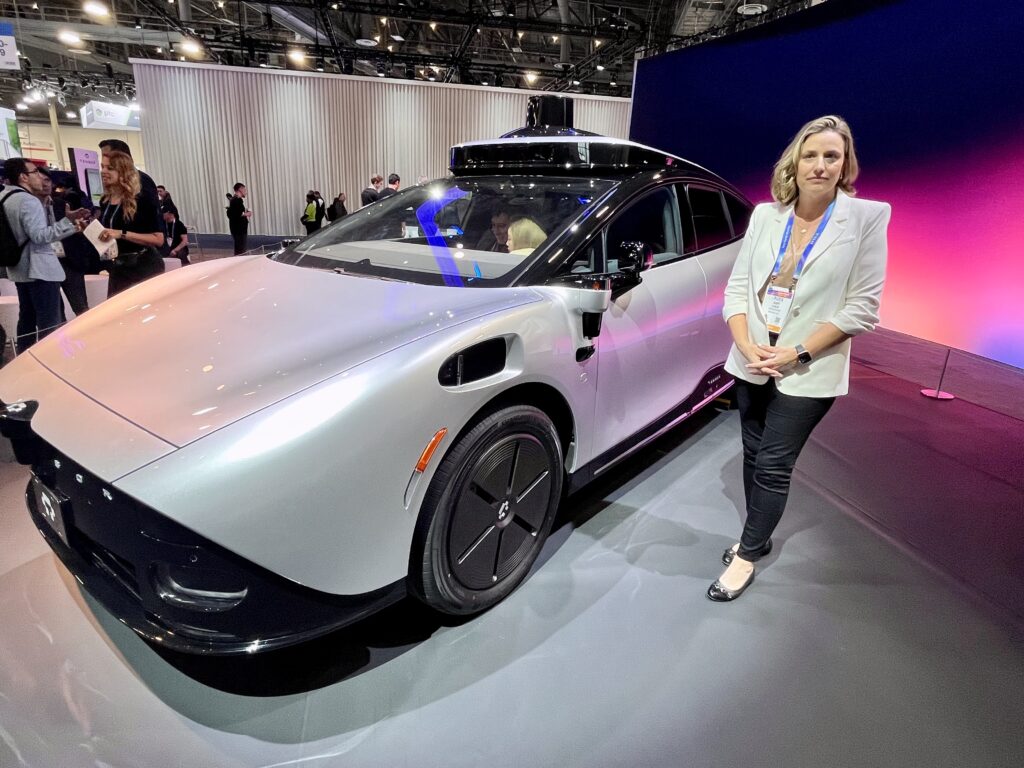
EVs continue to emerge as the default platform for high-end autonomy, and Tensor’s demo underscored why this pairing makes sense. EV architectures typically centralize compute, power distribution and drive-by-wire controls to provide a more software-defined foundation than legacy internal combustion designs.
That software-first approach allows autonomy developers to integrate their stack deeper into the vehicle, from predictive energy management to coordinated braking and torque vectoring for smoother automated maneuvers. It also opens the door for over-the-air updates that keep the Level 4 system evolving in the field, much like the continuous software iteration cycles in UAS operations.
Operational Design Domains And Safety
A recurring theme in Tensor’s CES conversations was the importance of clearly articulating the operational design domain (ODD) for Level 4 deployments. Rather than promising autonomy “everywhere, all the time,” the company framed its roadmap around specific urban environments, highway corridors and use cases that revolve around private ownership.
This ODD-centric approach mirrors how autonomy is certified and deployed in drones and AAM aircraft, where regulators and operators define where, when and under what conditions systems can fly. Tensor pointed to similar constructs for road vehicles: time-of-day constraints, weather thresholds, mapped coverage areas and fallback strategies if conditions exceed the system’s capabilities.
Connecting Road Autonomy To The Wider Autonomy Ecosystem
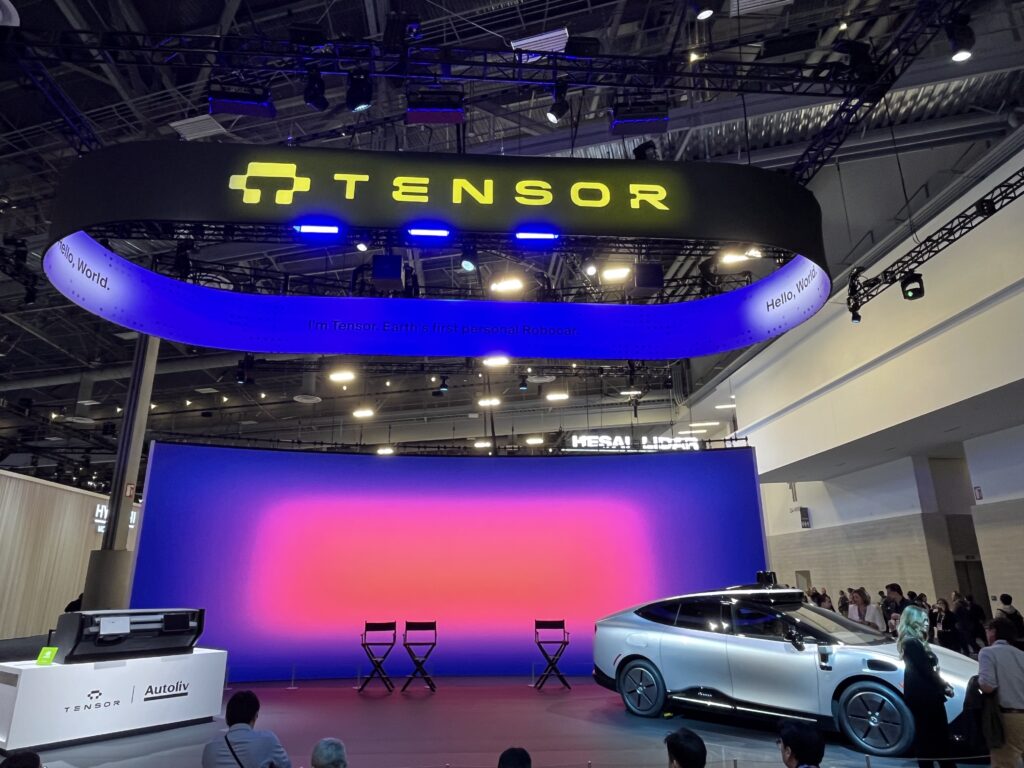
Tensor’s preview sits squarely at the intersection of trends already reshaping air and ground autonomy. The same foundational concepts of sensor fusion, robust perception, AI safety, ODD management, remote operations and fleet orchestration now seem to be converging across sectors that once evolved separately.
Tensor’s work highlights how learnings from UAS and robotics feed into on-road EVs, from redundancy strategies to simulation-driven validation. As autonomy spreads across modes such (think: cars, trucks, robots, and aircraft) the industry is beginning to standardize around shared frameworks for safety assurance and lifecycle management rather than siloed, mode-specific approaches.
The Business Models Behind Level 4
Moving from Level 2+ features to Level 4 services is not only a technical challenge but also a business transformation. Tensor’s roadmap hints at a future where autonomy is delivered as a platform and service layer to OEMs, fleet operators and mobility providers, rather than a one-time feature embedded in a single vehicle model.
That model creates opportunities for recurring revenue through software subscriptions, fleet management tools and continuous performance upgrades, echoing patterns already visible in drone services and AAM operations. It also puts pressure on ecosystem partners, such as cloud providers, map vendors, chipmakers and insurers, to align around interoperable interfaces and shared data standards that can support Level 4 at scale.
Vegas As A Testbed For Autonomous EVs
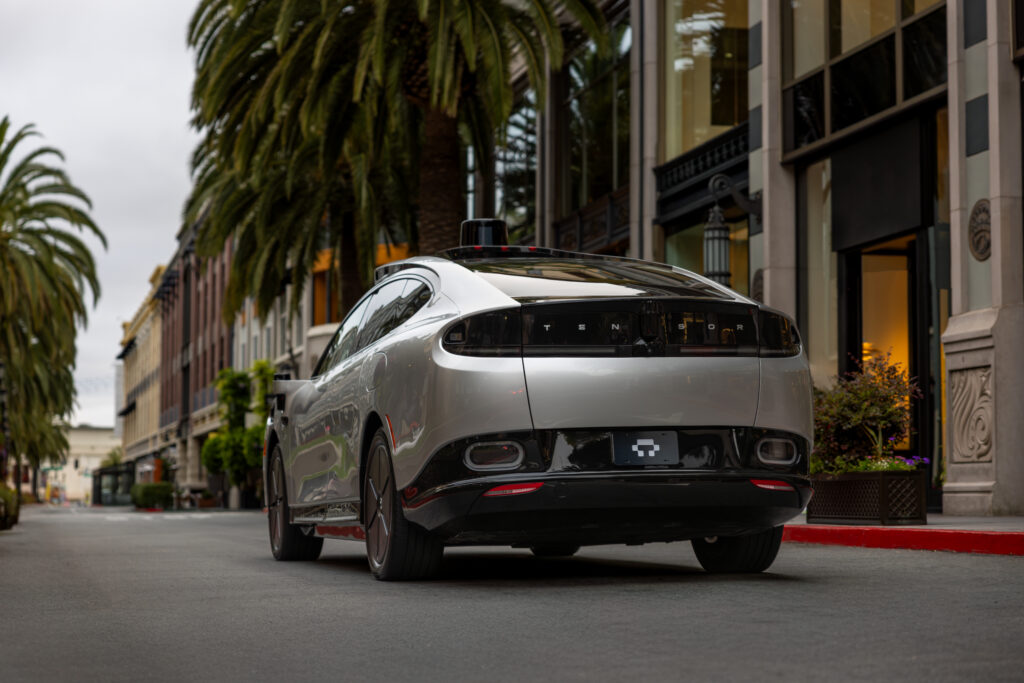
Las Vegas, with its mix of dense tourist traffic, wide arterial roads, and predictable weather, has evolved into a favored proving ground for autonomous systems, and CES 2026 reinforced that role. Tensor’s presence alongside other AV and EV players underscored how the city has become a live laboratory where pilots, demos and limited commercial deployments can coexist within a carefully managed regulatory framework.
For Level 4 developers, that environment provides the combination of complexity and controllability needed to build confidence before expanding to more challenging markets. It also offers a high-visibility stage. When autonomy works in Vegas during CES, it reaches not just engineers but investors, policymakers and the public who will ultimately determine how quickly Level 4 moves from preview to mainstream.
What Comes Next For Tensor And Level 4
The tech preview at CES 2026 was not a full commercial launch, but it signaled that Tensor is positioning itself as a serious contender in the Level 4 AV space. For automakers and mobility providers, Tensor has created the building blocks for service-grade autonomy and is ready to move from R&D to targeted deployment, given the right partnerships and regulatory pathways.
During the interview, Luca outlined a near-term rollout path: go into production at the end of 2026 with first availables soon after in UAE and North America. Europe will follow. As Autonomy Global continues to track the convergence of EVs, autonomy and intelligent infrastructure, Tensor’s trajectory will be one of several bellwethers for how quickly Level 4 can scale beyond pilots. The next milestones will likely center on real-world ODD expansions, safety case transparency and evidence that autonomous EV services can operate reliably and profitably in the messy, unscripted reality beyond the CES show floor.