
By: Dawn Zoldi
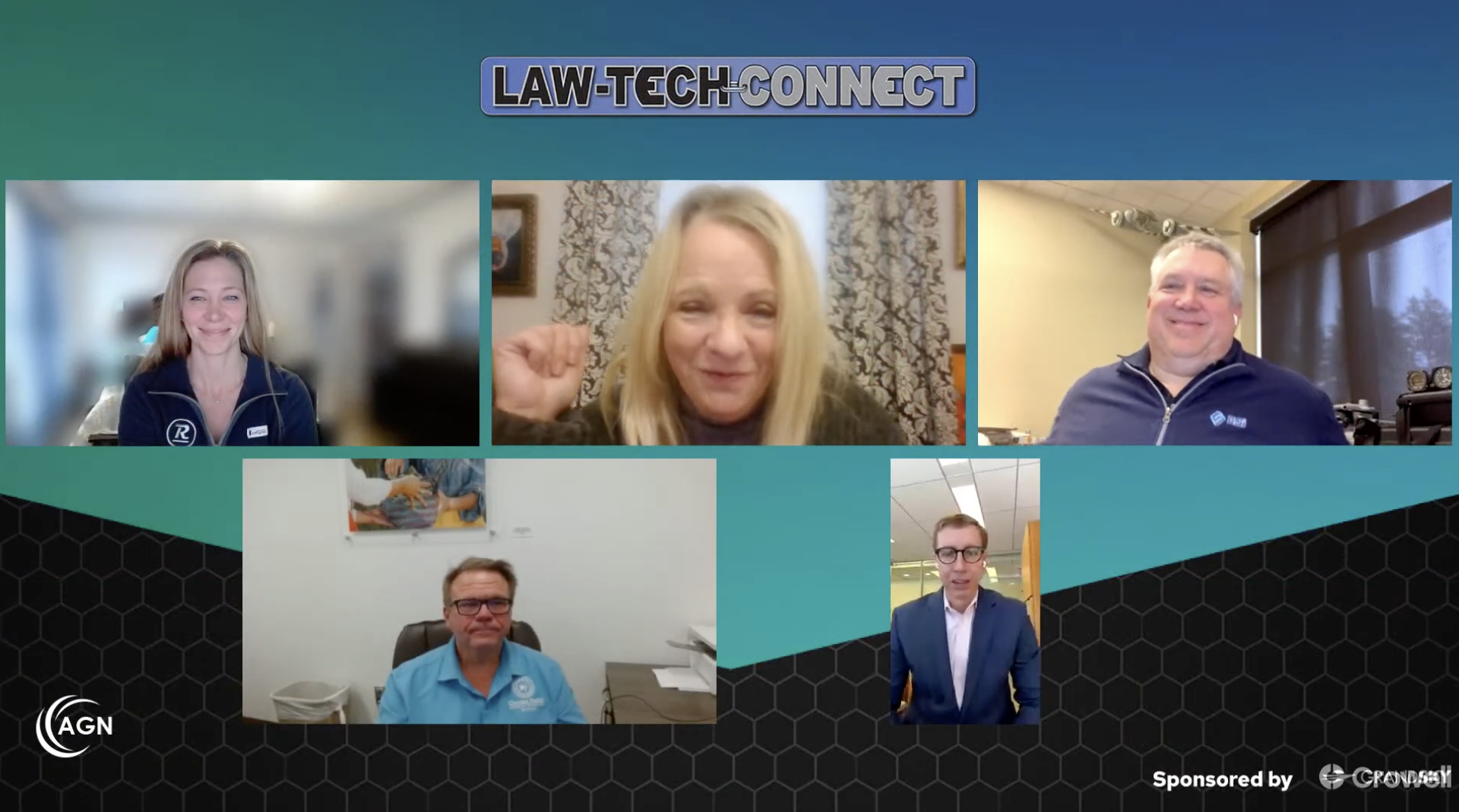
Law‑Tech Connect 2026 (LTC) has officially kicked off its run‑up to AUVSI XPONENTIAL (Detroit) with a live preview of its first four panels to usher in a high‑impact year for this annual autonomy, robotics and drone law event.
The fifth annual workshop will be fully embedded in the main XPONENTIAL program for the first time, running Wednesday afternoon and Thursday morning at Huntington Place. Instead of a standalone Monday event, Law‑Tech Connect 2026 will deliver two focused half‑days of content plus a Wednesday evening networking happy hour to give attendees more chances to connect with faculty, sponsors and peers. Organizers are again offering a direct early‑bird registration route for those coming primarily for LTC, which includes access to the XPONENTIAL expo hall and its autonomy and legal expert-heavy lineup. This year, Full Conference and VIP Pass holders can also opt to attend LTC sessions.
The preview spotlighted four Wednesday panels, including on Panel 1, “Moving Targets: Navigating Shifting Government Priorities in Autonomy & Robotics Contracts.” Holland & Knight (Silver sponsor) partner Joel Roberson, who leads that session, was unable to successfully join the live stream due to technical issues, but his panel nonetheless emerged as a central storyline.
Roberson’s session will unpack how NDAA restrictions, Chinese drone bans and new security‑driven requirements are reshaping which autonomy and robotics companies can compete for federal, state and local contracts. The panel will dig into supply‑chain origin rules, cybersecurity and CMMC 2.0, and how those factors are now front‑end elements of capture strategy. Attendees can also expect practical tips for structuring SBIR/STTR and other agreements.
Led by industry maven Maggie Schuster, the other preview guests James Grimsley (Choctaw Nation of Oklahoma), Michael Bauer (ESi) and Alicia McConnell (Rawlins Infra Consulting) all underscored that Roberson’s content is especially timely for small businesses and public safety agencies that built programs around low‑cost foreign platforms and now must pivot to compliant fleets without losing capability. They also pointed to the opportunity for U.S.‑based manufacturers and secure supply‑chain providers to gain ground as policymakers push for trusted systems in critical infrastructure, defense and public safety missions.
Panel 2 will examine legal frameworks for global advanced air mobility (AAM) and eVTOL infrastructure, including zoning, noise, weather and complex federal‑state‑local roles. Panel 3 focuses on “guardrails for innovation,” translating aviation safety management practices into concrete risk‑management playbooks for autonomy and robotics deployments. Panel 4, the Version III of “State of the States,” will showcase how leading DOTs and aviation offices are integrating drones into construction, inspection and disaster response while preparing for AAM.
For Autonomy Global’s audience, Law‑Tech Connect 2026 represents a rare convergence of regulators, attorneys, technologists and operators in a single, curated environment. With Roberson’s government‑contracts session kicking off eight powerhouse panels, the workshop will tackle the legal and policy issues that determine how fast autonomy can scale…and who can win the race to supply it.
See the full agenda and faculty, as well as register at Co-Located LawTech.
Sign up to attend the LTC Happy Hour Law-Tech Connect Networking Social Registration.
Watch the Preview Panel here.