
By: Dawn Zoldi
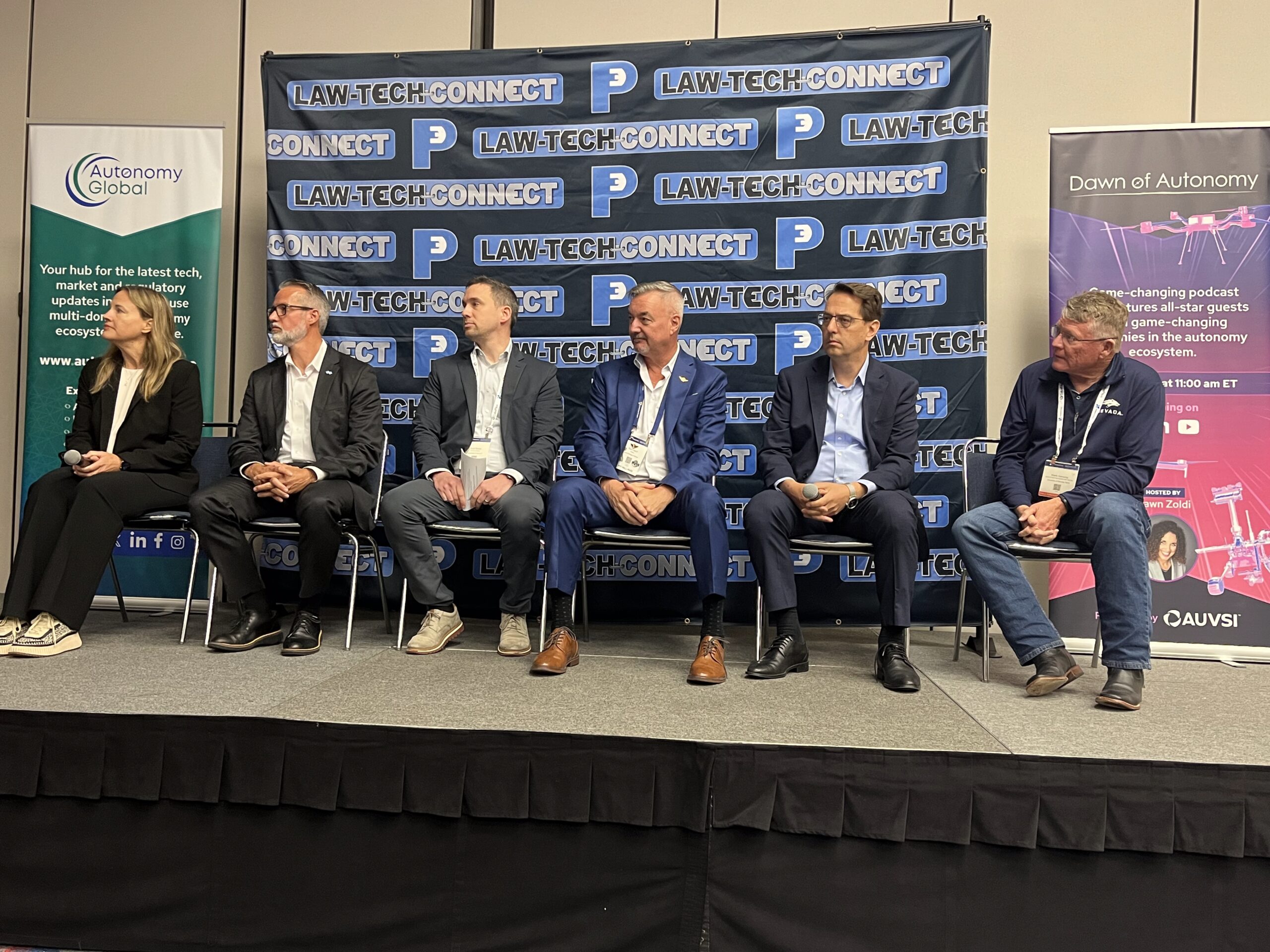
As drones become more mainstream, some states have become the true laboratories for UAS integration. This became clearly evident at Law-Tech Connect’s “State of the States II” panel, where a distinguished group of state leaders and industry innovators shared how Massachusetts, Texas, Michigan, New Jersey and Nevada continue to shape the future of American airspace. Their state’s journeys, told in their own words, reveal how tailored policy, investment and public engagement have proven more effective than one-size-fits-all solutions in building vibrant, safe and economically robust drone ecosystems.
Massachusetts: Systems-Level Strategy Fuels Success
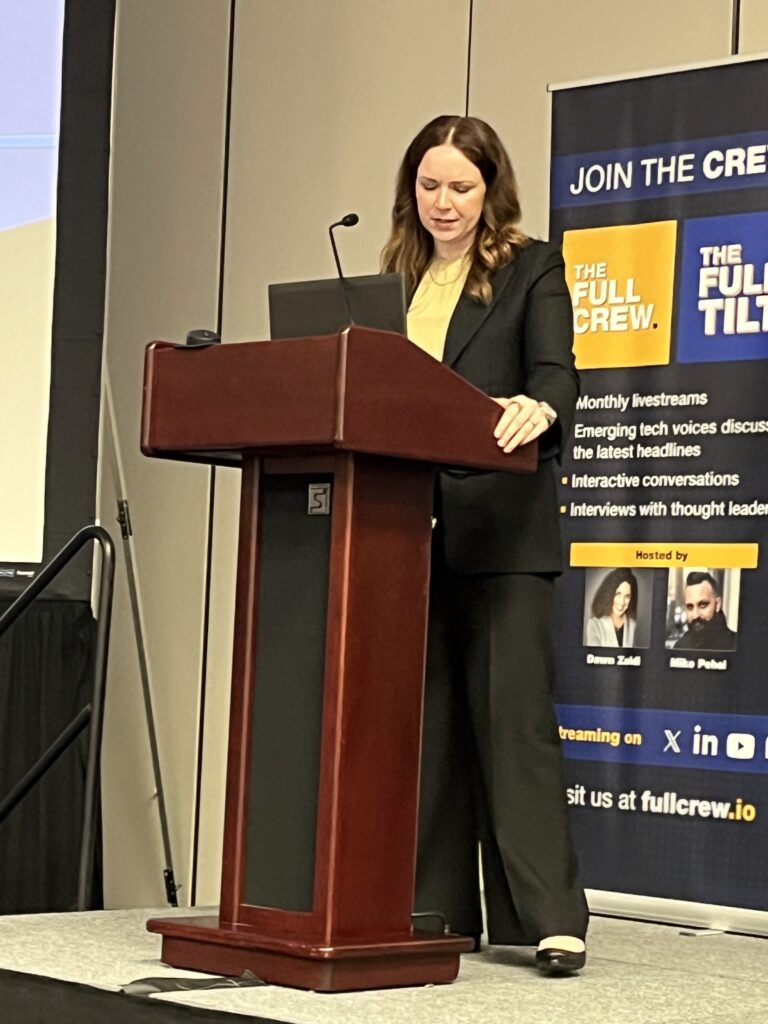
Massachusetts distinguishes itself by fostering a climate where regulation and innovation walk hand-in-hand. The state adopts a systems-level approach, integrating UAS and AAM into long-term transportation planning and ensuring that education, outreach and positive use cases shape public perception and policy. The state’s proactive engagement with legislators and broad coalition-building have helped avoid restrictive legislation, making Massachusetts a welcoming hub for innovation in the drone industry.
Robin Grace, Chief of Advanced Mobility Integration and Strategy for MassDOT Aeronautics, summarized, “We’ve really taken a systems level approach to how to enact drones in our state… integrating emerging technologies like UAS and eVTOL into our long-range state transportation planning process, as well as focusing on multi-modal infrastructure. The intent has been to not pass anything [laws] that would inhibit the industry. We really want to make sure that this is a place where this industry can thrive.”
This sophisticated approach hinges on three main pillars:
- Education and Outreach: Rather than quickly legislating drone-specific laws, Massachusetts steers lawmakers and the public with evidence, outreach and dialog.
- Engaged Task Forces: Ongoing state task forces bring government, academia and private industry together. This ensures laws both enable business and protect the public good.
- Purposeful Regulation: Rather than blanket restrictions, targeted rules limit launches only in protected areas, such as parks. This leaves wide space for productive drone operations.
Grace put it plainly, “We’ve been able to tie [drones] to public good and public interest—emergency response, health care, workforce development, climate tech—these are all things constituents care about. That’s really been a key to having the dialogs that we want to have, as well as preventing too many negative drone laws coming onto the books.”
Texas: Privacy-Centric Laws and Pioneering UTM
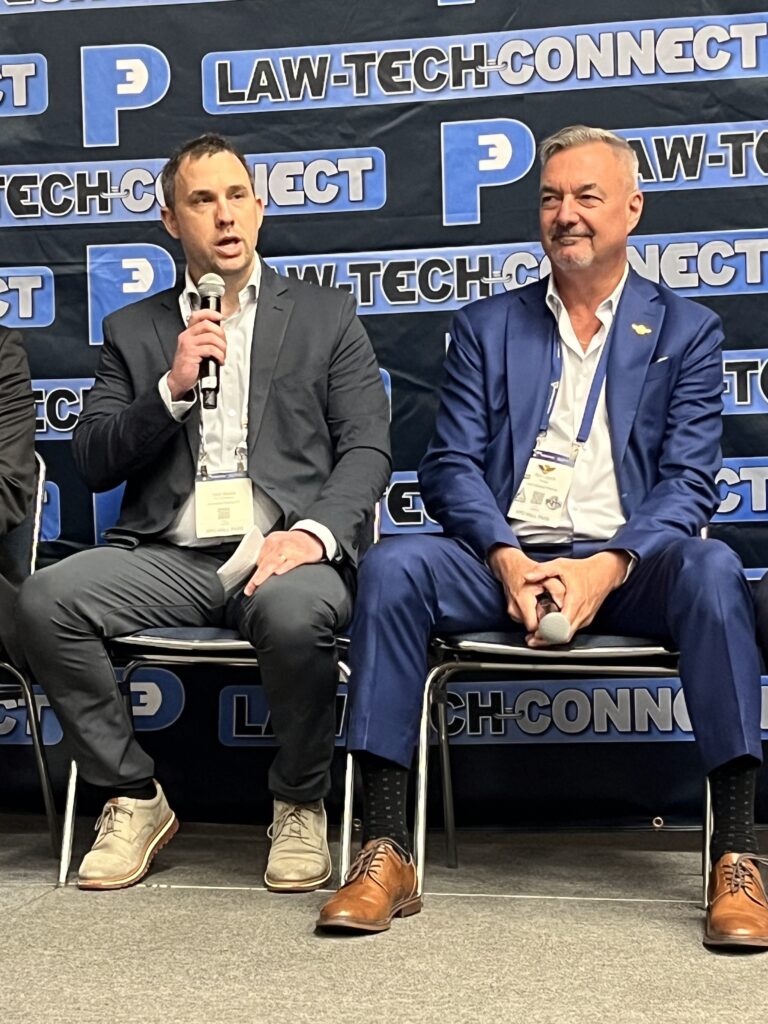
Texas’ legislative environment demonstrates how bold yet pragmatic legal frameworks can amplify industry potential. Texas has established clear, privacy-centered drone laws and preempts local patchworks, providing uniform statewide regulation that underpins rapid commercial advancement, especially in drone delivery and UTM. By aligning industry interests with nontraditional stakeholders and robustly supporting UAS economic growth, Texas ensures both civil liberties and business opportunities thrive. Todd Basile, Partner at Greenberg Traurig, described the Texas model:
“One of the key focuses of our state laws is privacy… It focuses on capturing images. You’re not allowed to use a drone to capture images with the intent to surveil. There’s a laundry list of uses that are expressly okay—public property, public safety, commercial uses. And state counties and municipalities can’t regulate drone operations. They want to keep it at the state level—keep it even across the board and not have a patchwork of, not-in-my-backyard type stuff.”
This principle has created a conducive environment for innovation:
- Clear Privacy Lines: Texas law balances civil liberties with pathways for growth, clarifying when and how drones can collect data.
- Uniform Statewide Rules: By preventing a patchwork of local ordinances, Texas encourages commercial and operational certainty.
- UTM Progress: Collaboration with the FAA on unmanned traffic management (UTM) has thrust Texas into the national spotlight for drone delivery pilots.
On coalition-building, Basile explained, “With drone delivery such a big deal in North Texas, restaurants are one of the primary customers… You add them to your coalition and the local government wants it—all of a sudden, you have all these people chirping in the ears of the legislature.”
Basile also highlighted how real-world pilots and operational data are already streamlining regulatory approvals, making Texas a go-to destination for new drone ventures.
Michigan: Infrastructure Investment and a Groundswell of Demand
Michigan is showing how investment, infrastructure and youth engagement drive exponential growth. Michigan’s investment in centralized UAS infrastructure and coordinated stakeholder matchmaking enables dozens of cities to launch robust drone programs, supporting everything from public safety to STEM workforce development. A focus on youth education and scalable commercial operations has made Michigan a model for ecosystem-driven growth in AAM. Michael Healander, CEO of Airspace Link, detailed the Michigan playbook:
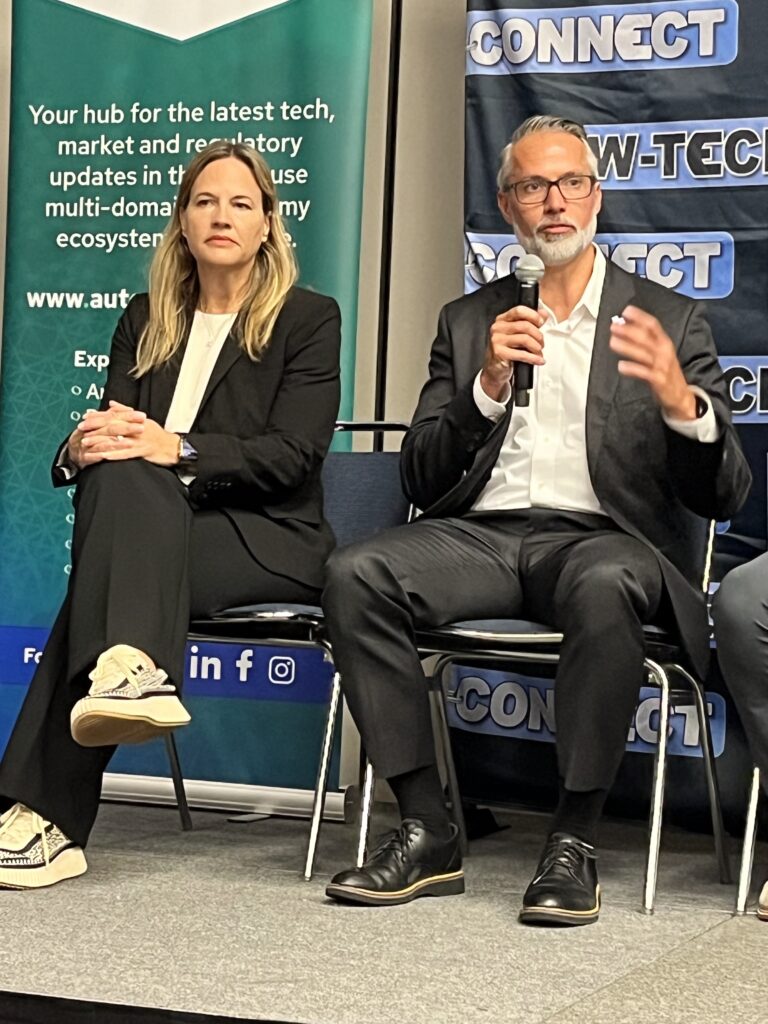
“Michigan focuses on the investments they’re making into UAS—funding for infrastructure to support operators, weather sensors, comm networks… What’s happening is that all the cities are saying, ‘hey, we want some of that.’ So now we have about 50 cities that have some of the largest drone programs. All the cities are creating the demand gen, and those cities have those representatives that go to the state and ask for funding. Kids are getting jobs flying drones.”
Key facets of Michigan’s success include:
- Centralized Infrastructure: State funding and technical infrastructure allow cities to tap into state-level networks for everything from first responder ops to inspection and delivery.
- Youth Engagement: Healander said, “We brought in all the Detroit high schools… 200 kids last year, 300 this year, all flying drones. Automatically, parents are like, ‘this is so neat. Get your pilot’s license…’ Getting these kids automatically making money quickly is another really neat thing we’re doing with a lot of our cities.”
- Ecosystem Matchmaking: By connecting suppliers, cities, industry and regulators, Michigan has welcomed 17 drone businesses in just six months—proof that scale is achievable.
Quoting Healander on the power of public-private partnerships:
“There’s six teams: a program management team… infrastructure side… software and systems… OEMs and operators… community engagement and a regulatory team. You put all that together and you do matchmaking. 17 businesses have moved to Michigan in the past six months to operate with customers in a commercial environment… We’re seeing operations at commercial scale.”
New Jersey: Public Safety, Education and Celebrating Wins
In New Jersey, public safety has guided policy, while thoughtful legislative outreach ensures practical progress. New Jersey champions public safety and practical, enforceable laws, protecting first responders and correctional facilities while prioritizing ongoing education for legislators to prevent harmful regulations. The state amplifies its successes through economic impact events and community outreach, building durable support for drone and AAM integration. Ron Leach, CEO of Leach Strategic Partners, shared:
“The priority in the state initially… was focused on public safety use of drones. They wanted to restrict police and fire from using drones without warrants. We do have a couple of beneficial laws—the one that protects first responders on the scene. If you interfere, public safety now has a way to correct that behavior or pull somebody into court. We have a law that also protects correctional facilities. They focused on the activity, not the actual flight.”
Leach’s big lesson is that good policy follows good communication, “Educating the legislature and making friends with them before they make their case known… It’s more beneficial to the industry than anything else—you need to engage the lawmakers before they handcuff you.”
And on driving home the state’s value, Leach added, “‘Celebrate your wins,’ is one of the slogans my partner Ray Adams and I use. We had a win in early April… [with] a major economic impact to Cape May County in an off season. For the legislature and the local county government, seeing that—it really made an impression.”
Nevada: Open Skies and University-Driven Acceleration
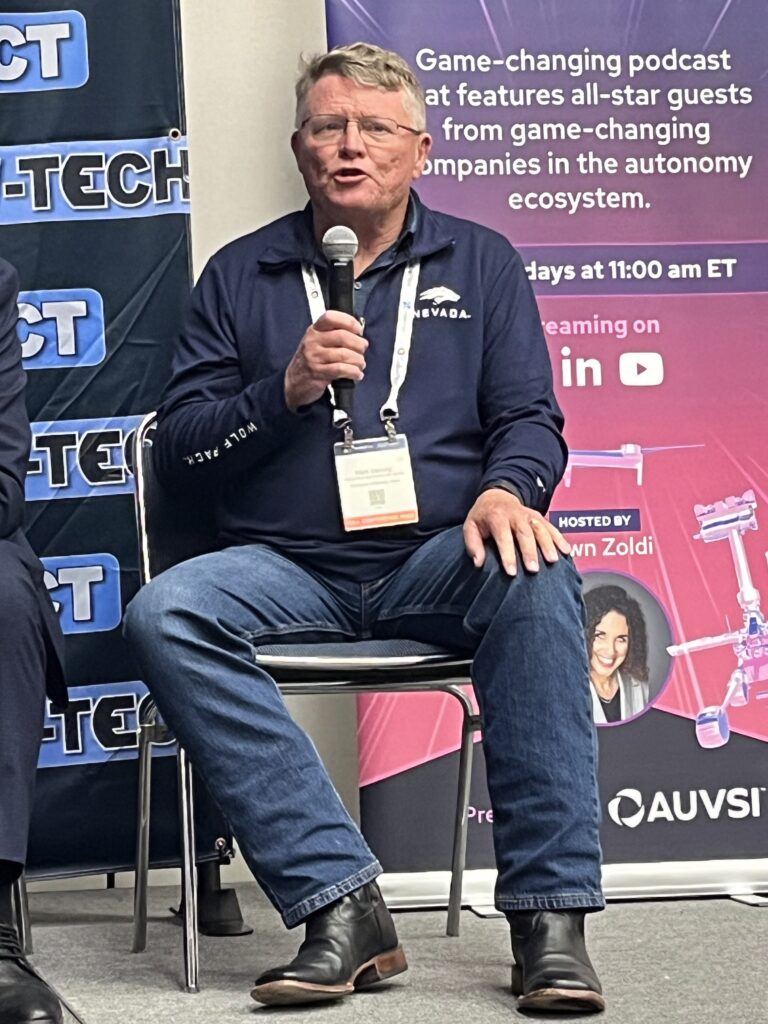
Nevada’s unique combination of open space and robust university partnership has accelerated both R&D and commercial operations. It leverages vast open airspace and strong university-state partnerships to host large-scale drone testing and commercial programs, rapidly transitioning advancements from rural testing grounds to urban environments. Executive buy-in and streamlined legislative cycles have made Nevada uniquely agile in welcoming new technologies and accelerating AAM innovation. Mark Genung, University of Nevada, Reno, said:
“Nevada is a state where the legislature meets every two years. But we’ve had incredible support from those considering funding. 80 percent is Bureau of Land Management land, high desert, ranching, mining—with minimal restrictions. We’re seeing that in the UAS industry as well.”
Nevada’s focus, according to Genung revolves around:
- University Test Sites: Partnerships with research universities deliver nimble, impactful research and testing programs.
- Executive Support: Direct access to state and legislative leadership accelerates funding and deployment cycles.
- Wide-Open Opportunity: “The state of Nevada is open for business, for drone testing. You can reach me via LinkedIn, or Google the Nevada Center for Applied Research at the University of Nevada, Reno,” Genung said.
The Legal Landscape: Perspective from Wiley Rein
No panel about state-level drone readiness would be complete without discussing the complex interplay of federal and state regulation, a topic Josh Turner of Wiley Rein has studied for over a decade. Turner challenged some popular notions about how states should legislate around drones, especially regarding airspace leasing rights and the reality of FAA preemption.
“The Mercatus Center’s scorecard ranked states based on their ‘drone highways’ concept—making leasing rights available to operators so you could establish these corridors within a state. It’s provocative, but it misconceives how airspace actually works. States aren’t in a position to manage the airspace at that level of granularity, and trying to do so is fundamentally inconsistent with our federal system,” he said.
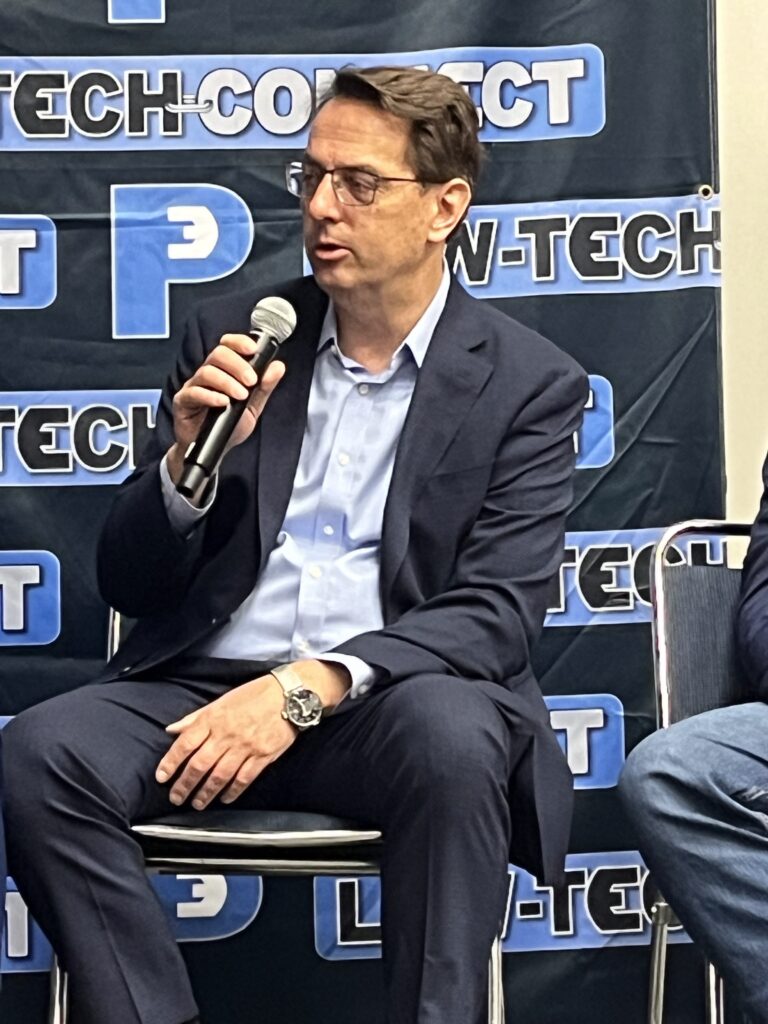
Turner argued against the idea that property owners have a fundamental right to control every aspect of overflight, an argument that, if adopted, could make drone integration impossible, “That was a problem that was solved over a hundred years ago, when aviation first developed. People have a statutory right to fly in navigable airspace, and it’s a right that’s mostly unassailable.”
Instead, he believes the states’ real opportunity is to foster growth in ways that complement federal authority, “We’ve seen actions to restrict drone operations at the state level, but the real benefits come where states focus on economic activity, workforce development, and fostering testing facilities—investing where they can actually make a positive difference, rather than getting tangled up in airspace management battles.”
Turner cautioned against reactionary or duplicative laws, especially those that purport to regulate national security by singling out specific drone manufacturers. Such moves, he said, may invite legal challenges or redundancy, as pending federal rules will soon preempt many local efforts.
When asked about trends, Turner identified three types of state-level legislation flooding the scene:
- Operational restrictions: banning overflight of specific types of properties (farms, oilfields, prisons).
- National security bans: restricting or banning foreign-manufactured drones, particularly from China.
- Economic development: encouraging workforce development, technology testing and local pilot programs.
He summarized why positive, forward-looking laws succeed. “It is much easier to sell something positive than to push back against something negative. If you wait for controversy—privacy, shooting down drones—you’re fighting on your heels. The most successful states tell a story: Here’s why it’s good for citizens, here’s how legislators can make it possible. The more the community sees the benefits, the better your story goes,” he explained.
Turner’s pragmatic perspective suggests the states that lead the UAS leaderboard are those that work in concert with federal authorities, focus on the tangible public benefits and avoid overreaching regulatory experiments. His insights round out the Law-Tech Connect panel’s consensus: the foundation for state-level drone leadership is smart, targeted legislation that amplifies innovation and economic dynamism, not regulatory turf wars or reactive prohibitions.
What Successful States Get Right: Lessons for National Leadership
What stands out from the State of the States II conversation is a shared playbook:
- Coalition-Building (Robin Grace, MA): “Bring together government, academia and industry to solve problems… We stood up [an] advanced air mobility integration task force, were able to bring together government, academia and industry to have conversations that further the industry.”
- Education-First (Robin Grace, MA): “Engage with communities, engage with local governments, and show this technology… that’s been really, really important for our state.”
- Positive Storytelling (Josh Turner, MI): “It is much easier to sell something positive than push back against something negative… The more the community can see the benefits, the easier that sell is going to be.”
- Youth Engagement (Michael Healander, MI): “Getting kids flying, the parents—then all of a sudden, it goes away just like that. Taking those gamers and turning them into operators.”
- Stakeholder Outreach (Todd Basile, TX): “Getting local government involved… And consider stakeholders outside the drone industry—restaurants being such a big deal in North Texas.”
- Executive & Academic Support (Mark Genung, NV): “The ability to talk to legislators, explain what you’re trying to do—was incredibly important and exceptionally well received for us.”
- Smart, targeted legislation (Josh Turner, Wiley Rein): “The foundation for state-level drone leadership is smart, targeted legislation that amplifies innovation and economic dynamism, not regulatory turf wars or reactive prohibitions.”
Charting the Path Forward
The Law-Tech Connect “State of the States II” panel left no doubt that the drone ecosystem’s future is in the hands of proactive, partnership-driven states. From Massachusetts’s coalition leadership to Michigan’s youth pipeline, Texas’s regulatory clarity, New Jersey’s savvy public safety focus, and Nevada’s wide-open opportunities, these stories chart a roadmap for national progress. States serious about drone leadership will continue to learn, partner, and lead…one smart law, one coalition and one community win at a time.
For further insights watch AG’s Law-Tech Connect content under Podcasts/Regulation.