
By: Dawn Zoldi
Every year, tens of thousands of people go missing in wilderness areas, and hundreds of thousands vanish under a variety of other circumstances in the United States alone. This puts enormous pressure on search and rescue (SAR) teams to find them before time and weather close in. As drones mature from experimental tools to frontline assets, specialized SAR training programs, like the new Advanced Drone Search & Rescue course from Volatus Aerospace, are fast becoming a life‑saving necessity.
The Scale Of The Missing Persons Problem
In the U.S., more than 600,000 people are reported missing each year. While authorities ultimately locate roughly 90% of them, alive or deceased, tens of thousands remain missing longer than a year.
Many of those cases involve wilderness, rural or hard‑to‑access environments where SAR operations become complex and resource‑intensive, especially within parks and protected areas. According to a New York Post report, between 2018 and early 2023, of the approximate 1,180 people reported missing from U.S. national parks, some remain unaccounted for. Within that same time window, the National Park Service reported 3,400 SAR operations and 182 deaths in U.S. national parks in just one year alone.
Globally, missing persons numbers are even more sobering. Global compilations suggest thousands of people are reported missing every day worldwide. The U.S. and U.K. rank among the highest‑reporting countries. In many countries, wilderness incidents, conflict, migration and natural disasters compound the challenge of finding people quickly.
Who Goes Missing: Hikers, Children, Older Adults
Demographically, certain groups consistently remain more vulnerable to becoming missing persons. Children and older adults, especially those living with dementia or cognitive impairment, continue to be over‑represented in missing reports. They are also more physically fragile when exposed to heat, cold or rough terrain. In the U.S., authorities receive an estimated 2,300 missing child reports each day.
Wilderness and hiking incidents add another layer of risk. Across the National Park System, an analysis of SAR data from 1992–2007 found an average of 11.2 SAR incidents every day. Even experienced hikers can become disoriented. In one analysis of wilderness SAR missions associated with Yosemite and similar environments, hikers made up the vast majority of those who died after becoming lost. Hundreds more per year were found injured.
Age, experience and preparation all influence outcomes. Many cases involve day hikers of all ages who underestimate distance, overestimate fitness or head out without proper clothing, lighting or navigation tools. Others involve older adults who wander from campsites or trailheads, or children who become separated from family in crowded or heavily wooded areas.
The Golden Hour And The Unforgiving Clock
Routine missing‑visitor calls can quickly escalate into life‑threatening emergencies. For trauma and exposure victims, time remains the critical variable. Emergency medicine defines the Golden Hour as the first 60 minutes after a serious injury, a window in which rapid access to definitive care can dramatically improve survival odds. Trauma and EMS systems are built around the principle that ideally, first assessment, stabilization and transport decisions occur within the “Platinum 10 minutes” of contact, to keep the overall timeline within that hour.
In backcountry SAR, the clock can be even less forgiving. A hiker who slips and suffers a femur fracture may be immobilized and rapidly losing body heat long before rescuers can reach them on foot, especially in alpine or shoulder‑season conditions. A lost older adult with dementia may start in relatively mild distress but progress to hypothermia, dehydration or injury during an unplanned night outdoors. Severe heat, deep cold, high winds or incoming storms shorten the viable rescue window and can turn hours into minutes.
Why Traditional SAR Is So Difficult
SAR looks heroic in photographs. They depict helicopters hovering over ridgelines and teams roped together descending onto snowy mountaintops. The stark reality is that SAR is slow, dangerous and expensive work.
On‑foot grid searches in dense forest or steep terrain move at a walking pace and often slower. They exhaust teams who must balance coverage, safety, and daylight. Forest canopies, tall brush or boulder fields negatively impact visibility. In these settings, a person in neutral‑colored clothing can be effectively invisible from just a few meters away,
Helicopter searches can close distance quickly, but carry their own risks and costs. Rotor wash, downdrafts and complex mountain wind patterns make low‑level flight in tight valleys hazardous, especially in poor weather or at night. Hourly operating costs remain high. Many agencies cannot sustain extended search flights without mutual aid or state support. Even with a helicopter, glare, shadows and terrain masking affect crew vision. They can still miss victims on the first pass.
Weather and time of day compound the challenge. Heavy rain, snow or fog can ground aircraft and slow ground teams. Darkness shrinks visual search range to the narrow cone of a headlamp. Many missing persons are last seen at or near dusk. This leaves SAR teams to launch initial efforts in the least forgiving conditions.
How Drones Have Changed The SAR Playbook
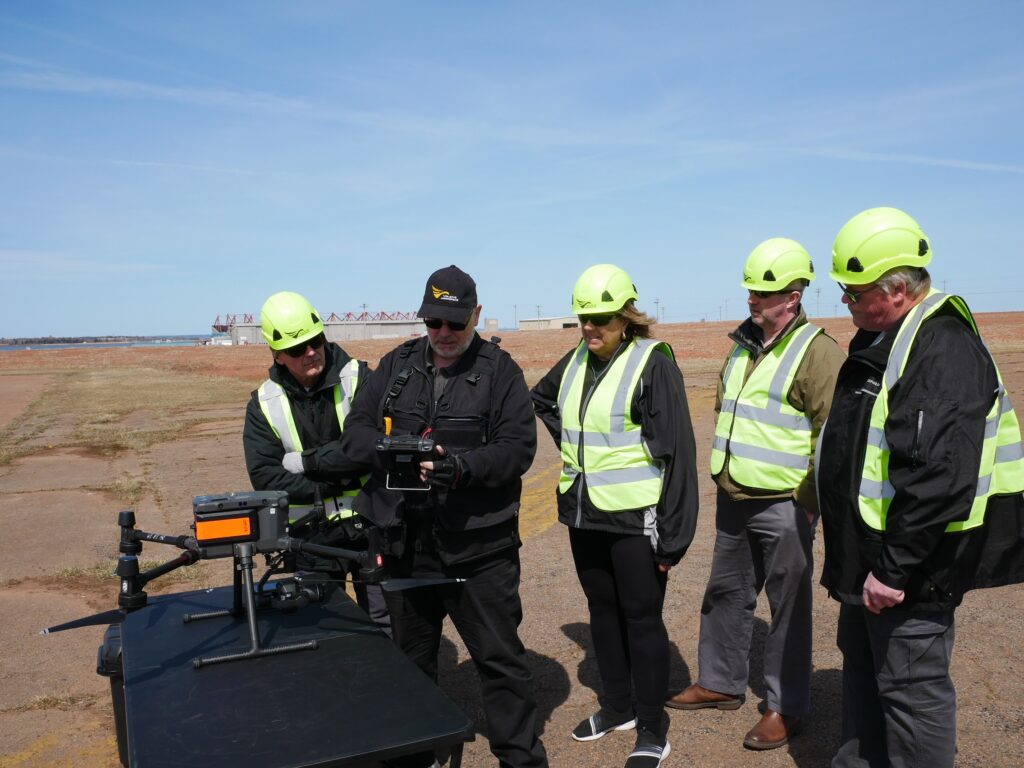
Over the last decade, drones have become indispensable tools in the SAR toolkit. Modern multirotor and fixed‑wing platforms allow teams to search large areas faster, safer and at lower cost than traditional aerial assets, especially in the crucial early hours of a response. Several capabilities make drones uniquely valuable to SAR:
- Aerial perspective at low altitude allows responders to see over brush and tree lines, along river corridors and across scree or avalanche paths with far more detail than satellite images or maps.
- Thermal imaging payloads that detect heat signatures enable crews to spot a person lying under a tree canopy or in a field long after visual contrast has disappeared.
- Onboard lighting and sensors extend search capability into the night, including anti‑collision lighting and high‑intensity lamps to illuminate target areas.
Case studies from SAR and public safety operations show drones have helped to locate missing individuals within minutes in situations where ground searchers would have taken hours to reach the same area. In one documented forest search, a drone equipped with thermal imaging located a missing hiker in dense terrain in about 30 minutes, which significantly reduced the risk of hypothermia.
Beyond individual rescues, drones enhance overall mission safety and coordination. Live video feeds allow command posts to make better decisions about where to deploy teams and when to disengage from unsafe areas. Recorded imagery supports after‑action reviews and training.
While drones alone do not “solve” the Golden Hour challenge, they help teams use those minutes more effectively. By covering large areas quickly, cueing ground teams to the right drainage or ridgeline and confirming visual or thermal signatures, drones can shave critical time off the locate phase, which is often the most uncertain and time‑consuming part of the mission.
Why SAR Drone Operations Demand Specialized Training
Despite their value, SAR drones are not point‑and‑shoot tools. Effective deployment in high‑consequence environments requires specialized training that goes far beyond basic Part 107 certification or general drone familiarity. SAR pilots must blend aviation fundamentals, sensor proficiency and search science with an understanding of human behavior in crisis. Several factors make SAR drone work uniquely demanding:
- Complex environments: Mountainous terrain, canyons, forests and urban‑wildland interfaces generate turbulent winds, GPS multipath and visual obstructions that require skilled piloting and risk assessment.
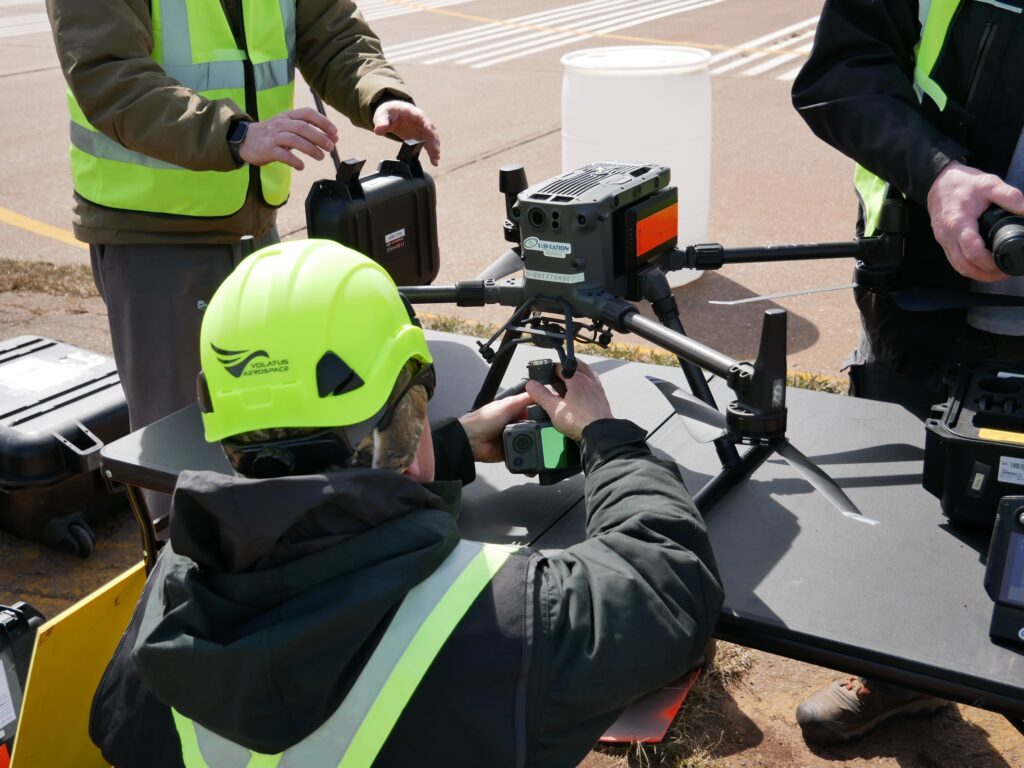
- Sensor mastery: Thermal cameras are powerful but nuanced. Operators must understand emissivity, background temperature, solar loading and false positives (warm rocks, animals, vehicles) to interpret imagery correctly and avoid missing a victim.
- Search tactics: Drone pilots must integrate into established SAR search theory (probability of detection, line search, confinement and clue awareness) to design flight paths that maximize coverage rather than just “flying around.”
- Night and low‑visibility operations: Many SAR flights take place at night or in marginal weather. This requires a disciplined approach to lighting, spatial orientation, lost‑link procedures and crew resource management.
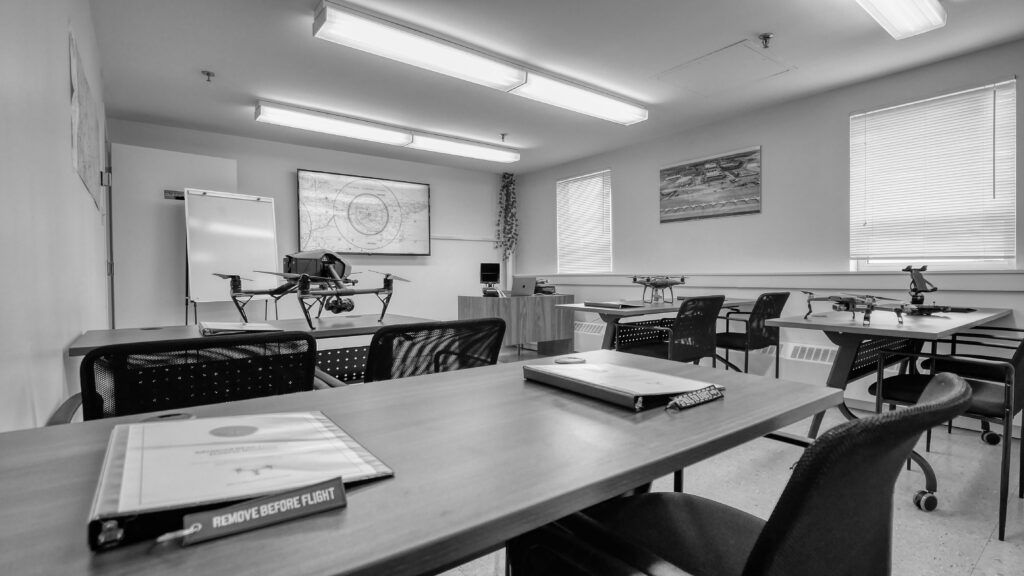
In practical terms, that means SAR drone training must be scenario‑based and deeply operational, not just classroom theory. It needs to simulate real‑world missions, such as a missing hiker last seen at a trail junction at dusk, an older adult missing from a rural home in freezing rain or a flood victim stranded on a vehicle roof in fast‑moving water.
Volatus Aerospace’s Leadership In SAR Drone Training
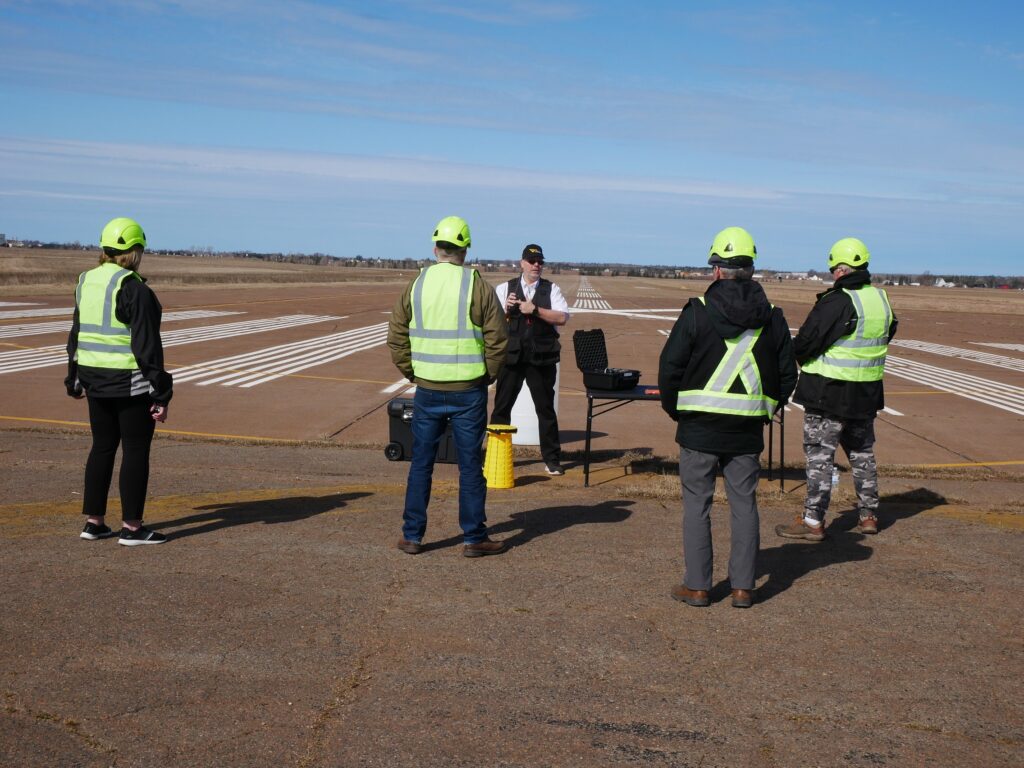
Recognizing this operational gap, Volatus Aerospace has invested heavily in building a training ecosystem tailored to public safety and SAR professionals. Through Volatus Academy U.S., the company offers a growing catalog of courses covering drone pilot certification, thermography, GIS and remote sensing, public safety applications and advanced unmanned aircraft operations. Instructors with deep experience in drones and remote sensing deliver these programs, with a focus on practical, scenario‑driven learning for agencies and professionals who cannot afford theory divorced from the field.
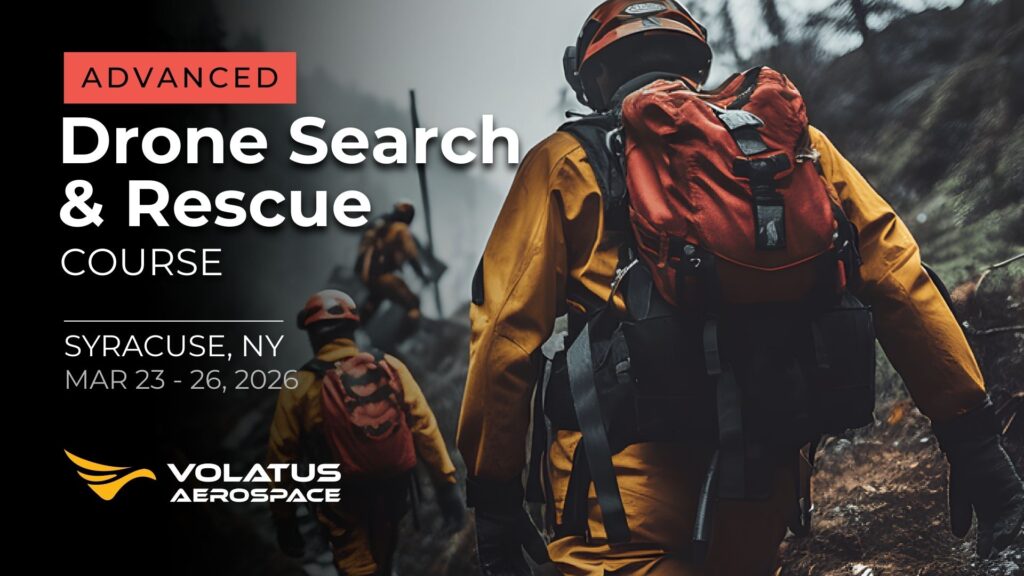
Within that portfolio, Volatus’ Advanced Drone Search & Rescue (SAR) four-day course stands out as a dedicated program for teams tasked with finding missing people in the most challenging conditions. The upcoming session near Syracuse, New York, scheduled for March 23–26, 2026, reflects the company’s commitment to making high‑end SAR training accessible to agencies across the northeastern United States and beyond. By anchoring the course in a region known for heavy forests, variable weather and four‑season outdoor recreation, Volatus can expose students to realistic environments that mirror their home operating areas.
While the full syllabus is tailored to agency needs, the Advanced Drone SAR course focuses on several core competency areas:
- Mission‑driven planning: Translating missing‑person reports and initial clues into drone search plans that align with ground team operations and incident command structures.
- Thermal and night operations: Applying best practices in thermal imaging for live searches, understanding environmental factors, and integrating visible and infrared feeds to reduce false negatives.
- Safety and compliance: Operating legally and safely in complex airspace, including coordination with manned aircraft, deconfliction with other SAR resources and adherence to relevant FAA rules and waivers.
(Check out Volatus’ blog on this topic).
“Minutes matter in search and rescue, but so does the method,” says Lee Dodson, Senior RPAS Instructor at Volatus Academy. “Operating the drone is only the beginning. Interpreting thermal signatures correctly, building a search plan that aligns with ground teams and operating safely in complex terrain all make the difference in locating someone.”
Volatus’ broader training ecosystem reinforces these skills. Courses in thermography and remote sensing give SAR pilots a deeper understanding of sensor science, while public safety and “zero‑to‑hero” pathways help agencies build internal programs from first flight to advanced operations. Volatus’ U.S. Academy, a newly launched online platform, allows students to combine self‑paced coursework and register for in‑person field training, such as the Advanced SAR Course, to help maximize limited training budgets and make it easier for rural and volunteer teams to participate.
Training The Next Generation Of SAR Drone Professionals
SAR will always rely on committed people willing to go into difficult terrain at difficult times. What has changed is the toolkit they carry, and the training required to use it. As drones, thermal imaging and advanced sensors become standard equipment for SAR teams, specialized instruction is the only way to ensure these tools live up to their promise in the field.
Volatus Academy U.S. has positioned itself at the leading edge of that transformation by combining expert instructors, operationally focused curricula, and dedicated offerings like the upcoming Advanced Drone Search & Rescue course. For agencies, teams and individual pilots who recognize that the next mission could hinge on minutes and meters, not marketing specs, investing in that level of training is as essential as the aircraft themselves.Readers who want to deepen their understanding of how drones and thermal imaging are reshaping SAR, and to explore upcoming training dates, can visit Volatus Academy U.S. online, where they can learn more about public safety courses, download the course catalogue, and register for the Advanced Drone Search & Rescue program and other specialized offerings.