
By Arie Egozi, Autonomy Global – Ambassador for Israel
Israeli defence companies hesitate to restart major investment in unmanned surface vessels (USVs) after earlier efforts delivered only limited operational uptake and modest export success. While Israel was an early mover in naval autonomy, the domestic navy’s priorities and mixed feedback from trials have slowed momentum for new platforms and upgrades.
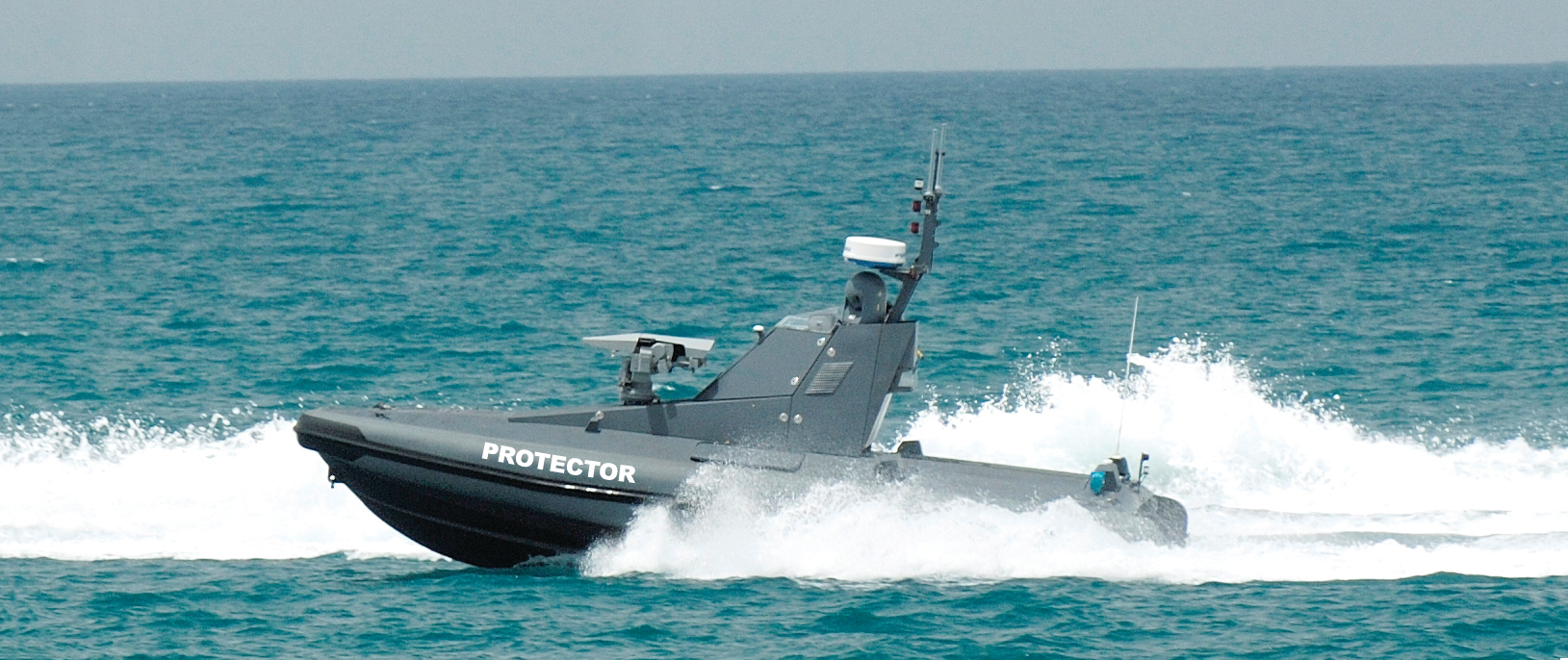
The Israeli Navy evaluated Rafael’s Protector USV over an extended period. However, a naval source said the results “were not enough to go for full deployment” and the fleet ultimately opted for other, manned solutions.
Protector, a combat-proven 9m USV developed by Rafael to protect maritime assets and conduct force protection missions, has seen operational service with the Republic of Singapore Navy and other users, but not at the scale originally anticipated by Israeli industry. Earlier variants were designed for port and coastal security and later upgraded for broader missions including precision strike and electronic warfare, yet orders have remained limited.
Alongside Protector, Elbit Systems developed the Seagull multi-mission USV and Israel Aerospace Industries (IAI) fielded the Katana, but both were procured in very small numbers by domestic and foreign customers. Seagull, a 12m aluminium and composite USV optimized for mine countermeasures and anti‑submarine warfare, can also support ISR, electronic warfare and maritime security missions. Even so, navies have tended to treat it as a niche solution rather than a core fleet asset. IAI’s Katana, configured for exclusive economic zone (EEZ) protection, harbor security and offshore platform defence, likewise offers autonomous and remotely operated modes. It also has not translated into large-scale programmes.
Industry sources note that global demand for USVs has focused on a few specialized areas, particularly mine countermeasures and port and critical infrastructure security, instead of broad replacement of manned patrol fleets. Many navies continue to prefer manned patrol boats and uncrewed aerial systems (UAS) for maritime ISR and view USVs as complementary enablers rather than indispensable fleet capabilities. Some potential clients have calculated that the flexibility and responsiveness of manned fast craft or aerial ISR platforms outweigh the cost and complexity of deploying armed USVs at sea, especially given unresolved tactical and legal challenges around remote weapons employment in congested maritime environments.
The Protector programme was originally driven by Israel’s urgent requirement to safeguard its exclusive economic zone after the discovery of very large offshore natural gas reserves in the Mediterranean. These gas fields and their associated offshore platforms sit within range of Hezbollah and other hostile actors, which pushed Israel to harden security around critical offshore infrastructure. The concept of operations envisaged USVs operating persistently around gas rigs and key nodes in the EEZ, augmenting manned surface combatants and aerial assets to provide layered protection. However, for routine EEZ and offshore infrastructure defence, the navy ultimately prioritised manned platforms and other systems over broad USV deployment.
Protecting natural resources and energy infrastructure in expansive EEZs demands near‑constant presence in the open sea. Israeli decision-makers concluded that conventional patrol vessels, supported by other surveillance assets, were better suited for sustained coverage at scale. As a result, Israel’s USV portfolio today consists of a small cadre of advanced, yet under-utilised, platforms. Industry remains cautious about committing to the next generation until navies at home and abroad demonstrate stronger demand signals.