
By: Dawn Zoldi
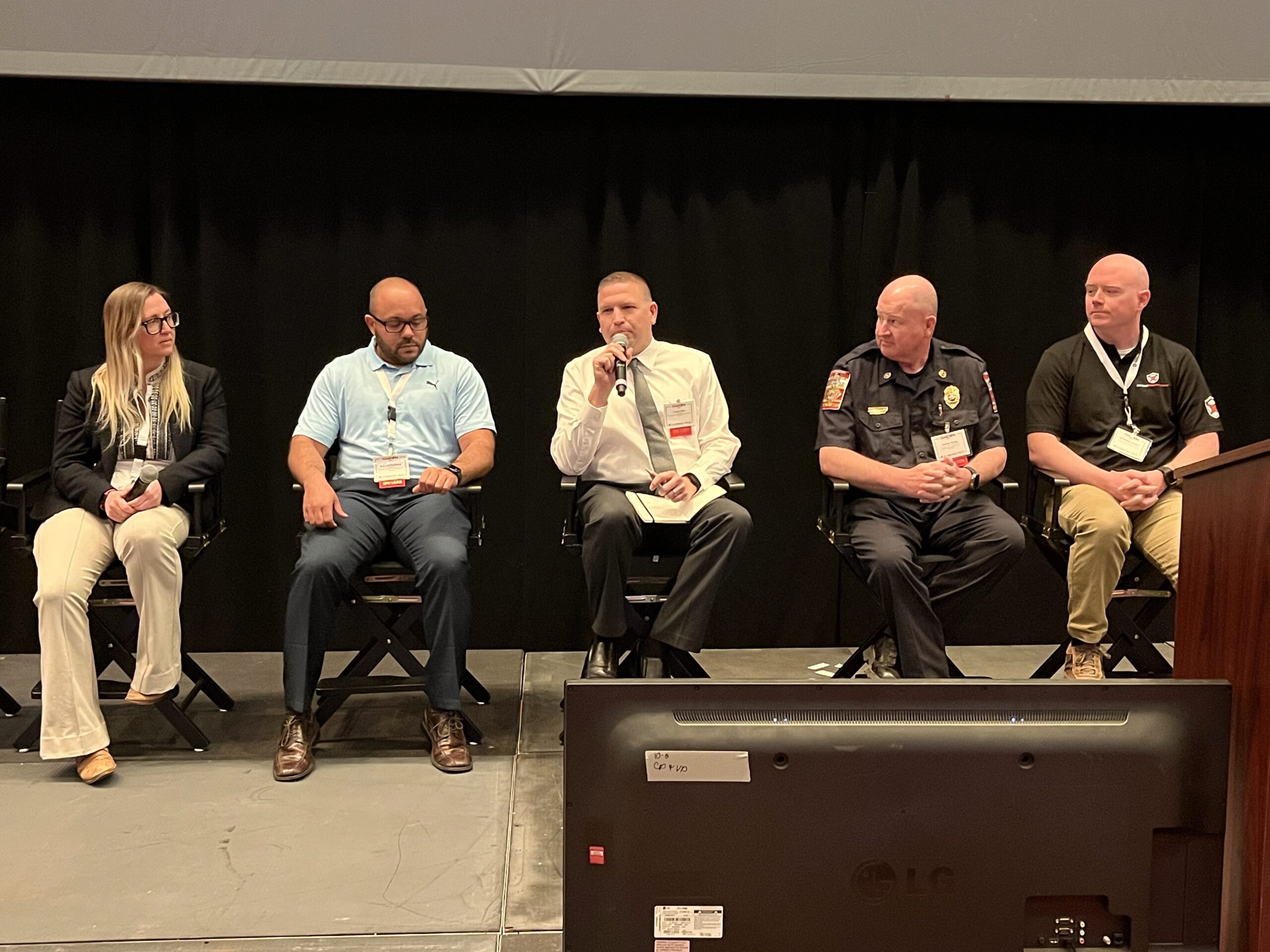
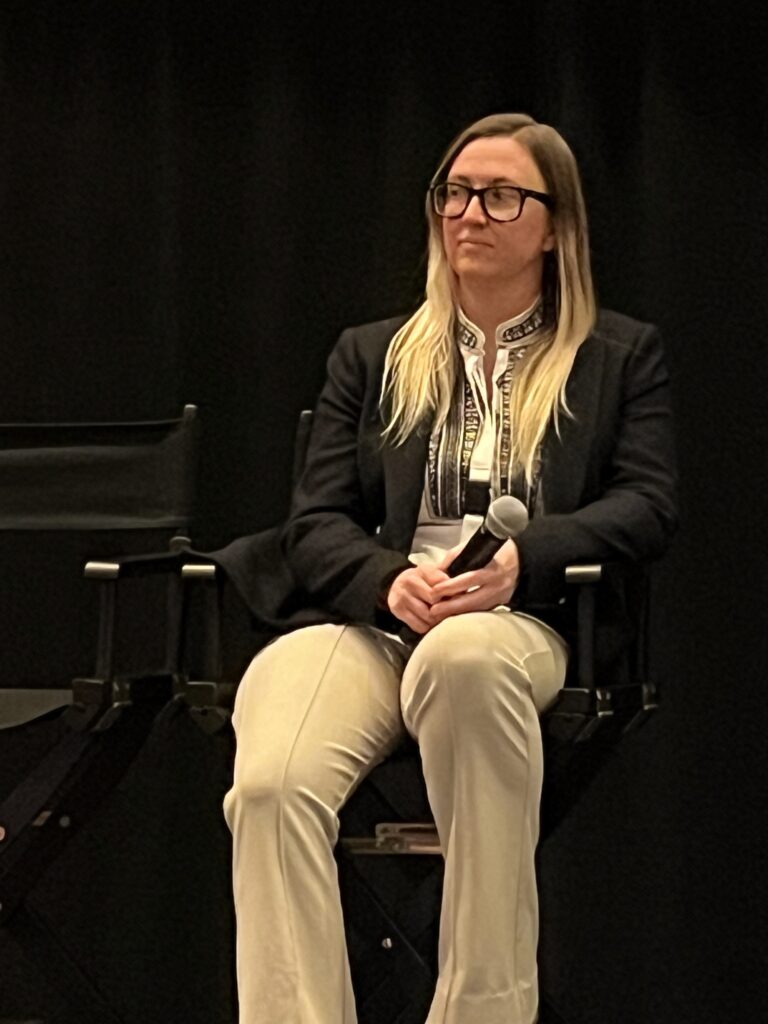
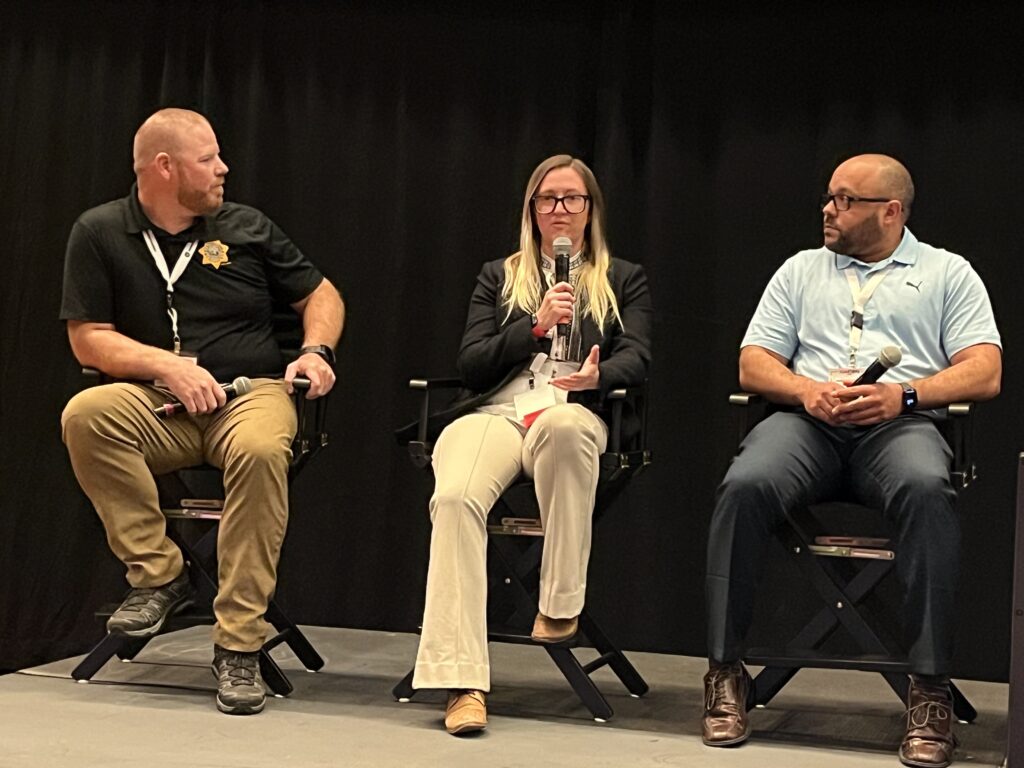
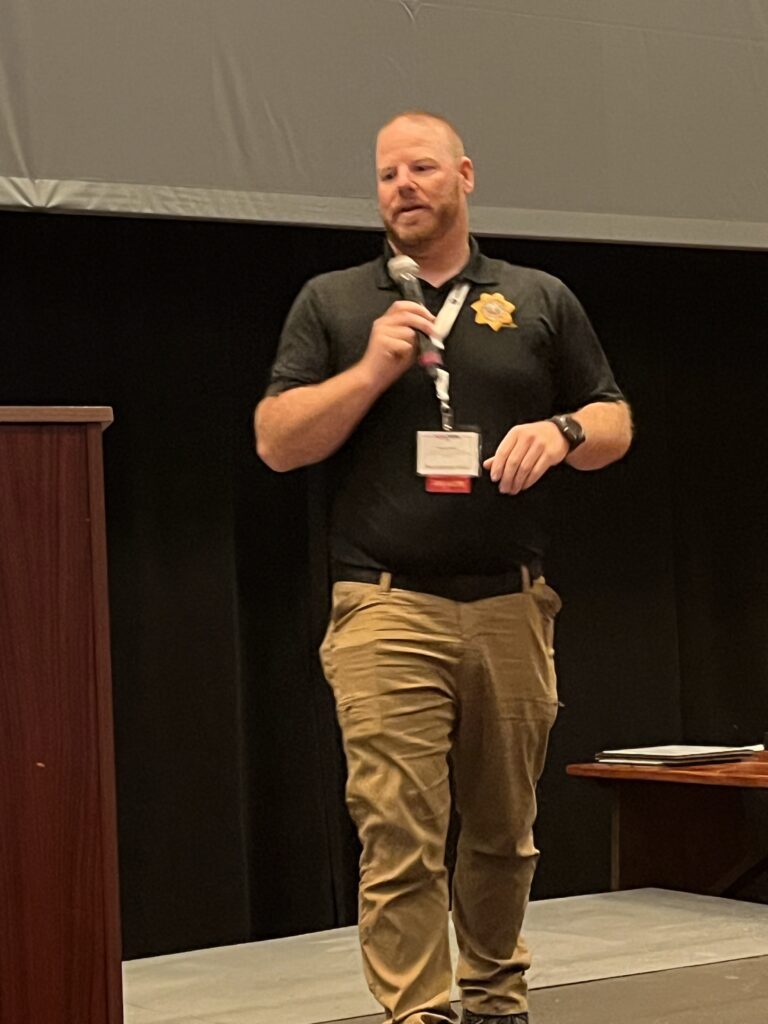
Drone as First Responder (DFR) programs have moved from pilot projects to core public safety tools in the agencies willing to rethink policy, training and public engagement from the ground up. At DRONERESPONDERS NACON, a panel of frontline leaders consisting of Antonio Rodriguez (Queen Creek Police, AZ), Patrick Young (Gastonia Fire, NC), Doug Miller (Montgomery County Police, MD) and Gemma Alcock (Skybound, UK) and Kris Cooper (Springfield Fire Rescue Division), outlined a hard-earned playbook for departments considering DFR. It included what to do early, what to avoid and how to survive the regulatory and political grind.
Lesson 1: Design Policy Before You Buy Hardware
Those seeking to stand up a successful DFR program must start with policy, not platforms. Govern DFR like it’s a true aviation program, because it is one.
Miller’s Montgomery County provides a great example. Operating in the National Capital Region’s (NCR) highly restricted airspace, his team had to build a BVLOS-ready policy framework that satisfied the FAA and multiple federal partners long before they could normalize launches off 911 calls. That included:
- A state-certified DFR training program with a formal process including a 40‑hour basic school and a field training phase before pilots fly solo.
- Detailed maintenance, currency and documentation standards aligned with FAA expectations, even where waivers offered flexibility.
Queen Creek took a similar “policy first” approach in a very different setting. Despite holding waivers, the agency requires every DFR pilot to earn Part 107, pass a technical assessment and complete structured hours and annual requalification.
In the UK, Alcock’s team at Skybound must satisfy the civil aviation authority (CAA) and data protection regulators simultaneously. Their policy stack phases operators from low-risk inspections to high-risk dynamic missions over roughly eight weeks, with explicit GDPR-compliant data handling rules, from retention caps and automated face-blurring to clear access-request processes, all baked in from day one.
The takeaway: If your first DFR decision is “which drone,” you are already behind.
Lesson 2: Treat Transparency as a Non‑Negotiable Requirement
Transparency is not a PR add-on. Program survival hinges on it.
Montgomery County uses DroneSense as both an operational tool and a records system. It logs every flight, mission type, on-scene time and outcome. That data feeds an annual public report that shows, for example, more than 10,000 total flights and about 4,800 DFR missions since 2018. It also shows metrics on how often drones locate subjects and how many officer-hours were saved through canceled or redirected responses.
Queen Creek adds near-real-time visibility through a 24‑hour delayed transparency dashboard that shows flight locations, mission categories and basic outcomes. Citizens can see that drones are being used for specific calls, not random patrol. This has helped maintain support in a property-conscious, but largely pro‑police, community.
Skybound’s UK operations go even further. The company posts QR-coded signage at every access point into its operating boxes. Residents who see a drone can scan and immediately read how data is captured, stored, anonymized and for how long. Behind the scenes, a dedicated data and AI team ensures GDPR-compliant redaction and 30‑day retention limits.
The takeaway: if you cannot explain, in public and in data, where your drones fly and why, you will not keep your social license to operate.
Lesson 3: Build a Real Training Pipeline and Expect Attrition
DFR is not a side qualification you can bolt on to already overburdened officers and firefighters. Agencies must plan for training and attrition as strategic issues.
Montgomery County is approved for about 30 pilots, but currently operates closer to 20. This mirrors national staffing shortages. Each pilot represents a substantial investment that involves competitive selection, a 40‑hour basic school, a field training leader phase and ongoing refreshers. When trained personnel leave for other roles or agencies, the loss is measured in operational risk as much as in sunk cost.
Queen Creek’s pipeline blends sworn and civilian talent, people from aviation, military and non–law enforcement backgrounds, into a common curriculum that emphasizes technical proficiency and decision-making over rank. Pilots shadow experienced crews and must log significant hours before taking on higher-risk DFR missions.
In the UK, Alcock found that not everyone needed to be a “full-spectrum” pilot. Some staff are better suited to supervising missions from the control room, others to flying as remote safety pilots. Skybound’s training therefore specializes in tailored roles, instead of forcing everyone into the same mold.
The takeaway: build an end-to-end training pipeline with clear entry standards, progression and role specialization. Also assume you will be continuously backfilling departures.
Lesson 4: Win Internal and External Buy‑In with Specific Outcomes
Expect early skepticism of any new DFR program. In Queen Creek, officers initially saw DFR as an intrusion. Nay-sayers made comments like “I don’t need a drone to handle this call.” That is, until a small number of high-visibility wins changed hearts minds. As one example, a drone-supported arrest of a Walmart shoplifter showcased how aerial surveillance could locate and track a suspect more safely and efficiently than traditional patrol tactics. After that, officers began asking “Is the drone available?” on their own.
Montgomery County reframed DFR for skeptical community groups by focusing on de‑escalation and resource conservation. Drones now often arrive first to “suspicious person” calls and determine whether a uniformed officer actually needs to make physical contact. In many cases, seeing that someone is simply sitting in a car smoking or standing outside their home allows commanders to cancel the response entirely. This reduces unnecessary, and sometimes negative, interactions.[
For business audiences, Miller’s team emphasizes retail theft. Drones track shoplifters as they leave stores, guide officers to the right person and give ground units the context to decide whether to arrest, issue a trespass citation or just recover property. This offers a clear, measurable benefit to local merchants.
Skybound shared a different story for the UK public, but one that was similarly concrete. Rail passengers who face constant delays are far more accepting of drones when they learn the aircraft are reducing the time needed to diagnose trespass and infrastructure failures, and getting trains moving again faster.
The takeaway: concept pitches about “innovation” do not move skeptics. A handful of well-documented cases (think: faster arrests, canceled dispatches, reduced tension) on calls, absolutely will.
Lesson 5: Don’t Build Alone; Steal Shamelessly and Adapt
Stop treating DFR as a blank-slate innovation problem. Panelists repeatedly urged agencies to:
- Call existing DFR departments, ask for their Standard Operating Procedures (SOPs) and adapt them.
- Borrow elements from multiple training models, such as Chula Vista’s, rather than copying one program wholesale.
- Engage regional partners early, including neighboring jurisdictions, fire services and universities, to align concepts of operations (CONOPS) and share training loads.
In Arizona, Phoenix-area police and fire agencies created a common model for drone operations and then built their individual programs on top of it. They shared training and, at times, funding resources. In the NCR, Montgomery County coordinates closely with Fairfax County and others across the Potomac to ensure their policies and tactics work in a tightly interconnected airspace.
The takeaway: the fastest way to get DFR wrong is to be “original.” The fastest way to get it right is to copy, then customize.
Lesson 6: Use Data to Shape the Next Phase of Policy
The data these early adopters collect will drive the next generation of DFR policy. Montgomery County’s 10,000‑plus flights, detailed by mission type, outcome and resource impact, give the agency hard evidence to support BVLOS renewals, funding requests and expansions. Queen Creek’s transparency dashboard and Skybound’s GDPR-compliant video workflows are real-world testbeds for how regulators might expect all DFR programs to handle accountability and privacy in the future.
For agencies still on the sidelines, that means two things:
- Your “pilot program” has to be instrumented from day one. If you cannot show regulators and community members what you did with your first 500 flights, they will be wary of letting you scale.
- You should assume that regulators will increasingly treat the practices of Montgomery County, Queen Creek and Skybound as the standard, not the exception.
The takeaway: lessons from this first wave of DFR programs will forge a preview of the rules everyone else will eventually have to live by.