
By Arie Egozi, Autonomy Global – Ambassador for Israel
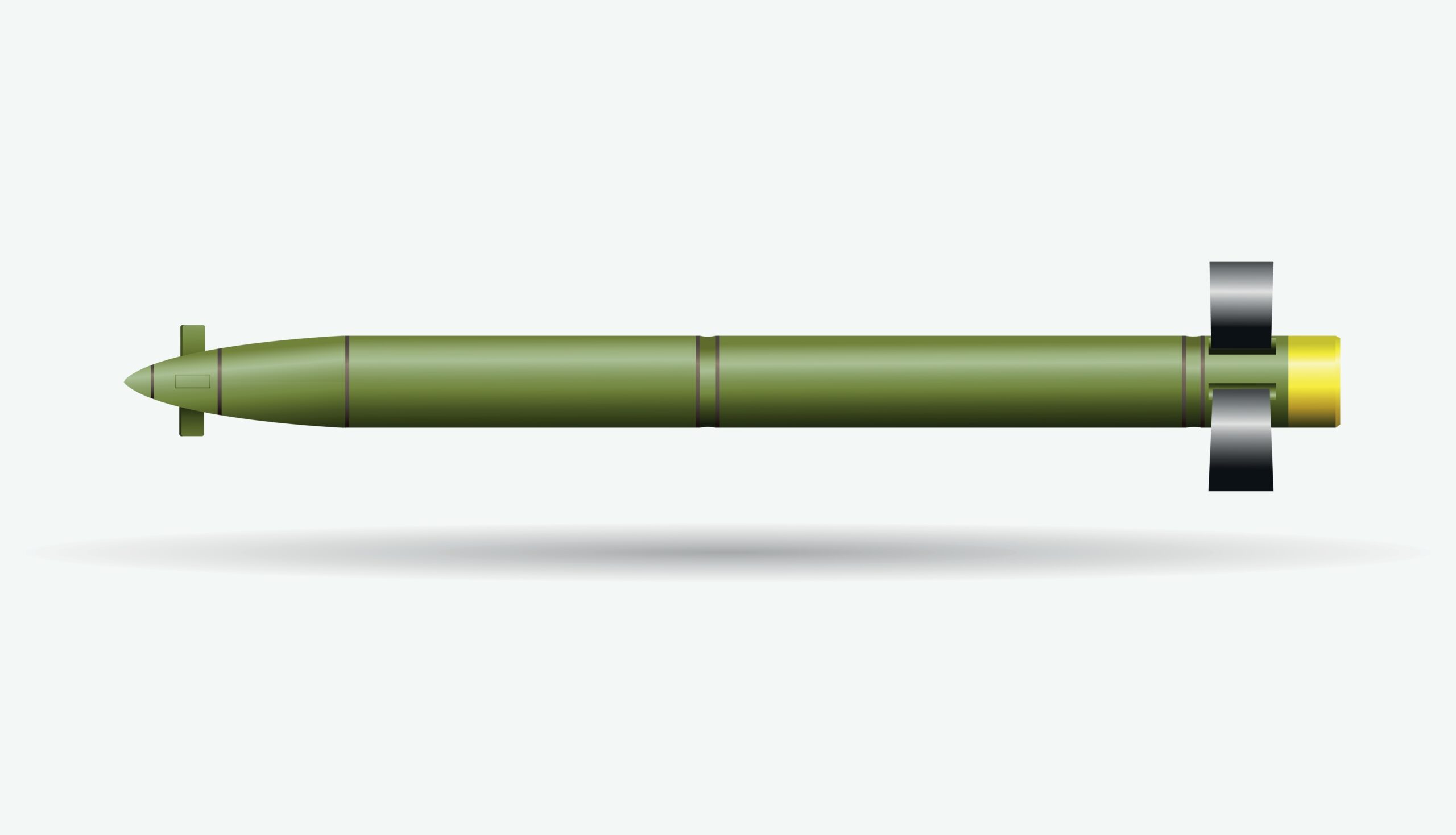
Germany’s adoption of the Israeli-designed PULS multiple rocket launcher is colliding with U.S. policy and export-control constraints that currently block the integration of American-made GMLRS rockets into the Euro-PULS system. The result is a growing interoperability gap inside NATO just as European armies race to rebuild long-range rocket artillery capacity in response to the war in Ukraine.
Euro-PULS, PULS and GMLRS
Euro-PULS is a German–Israeli evolution of Elbit Systems’ PULS launcher, developed with KNDS Deutschland to offer a “universal” European rocket artillery platform that can fire a range of Israeli and European munitions. PULS itself is in service or on order in several European countries, including Germany, the Netherlands and Denmark, with concepts and contracts built around modular pods and ranges out to roughly 300 km using Israeli-made rockets such as EXTRA and Predator Hawk.
The strategic ambition in Berlin and other capitals has been to add U.S.-made GMLRS to that mix, creating a common rocket stockpile across different launchers and easing logistics with allies still operating HIMARS and M270 derivatives. Instead, Germany now faces a structural mismatch: Bundeswehr inventories of GMLRS rockets remain tied to legacy MARS II launchers, while Euro-PULS, selected as the future backbone of German rocket artillery, cannot legally or technically fire those U.S. munitions without Washington’s approval.
Washington’s Block
According to European defense reporting, the U.S. government has repeatedly refused German requests to integrate GMLRS with Euro-PULS over the past several years, citing concerns over technology transfer and control of sensitive software and interface data. As a result, defense prime contractors and OEMs have tightened control over interface documentation and fire-control standards, which are not released for non-U.S. launchers without explicit permission.
Israeli defense sources stress that the issue is not unique to Israel but reflects how closely Washington and U.S. defense prime contractors manage integration of U.S. rockets into any foreign launcher, limiting third-party access to critical integration data. Practically, this has produced scenarios where European customers cannot use their existing GMLRS stocks on Israeli-designed systems such as Euro-PULS, even where physical compatibility is theoretically achievable, because the required software interfaces and authority to fire are withheld.
Strategic Signals and Market Impact
By keeping U.S. rockets tightly tied to U.S. launchers such as HIMARS, M270 and derivative systems like GMARS, Washington signals that interoperability will be managed on U.S. terms and through U.S.-backed platforms. Analysts in Europe argue that this position not only protects U.S. industrial interests but also discourages deeper integration of Israeli and other non-U.S. launchers into NATO-wide rocket artillery architectures.
For Euro-PULS customers and prospects, the current impasse raises questions about long-term ammunition planning, alliance interoperability and the balance between sovereign launcher choices and dependence on U.S. munitions policy. Unless a political decision unlocks GMLRS integration for PULS and other non-U.S. systems, European armies may be forced either to double-track separate launcher ecosystems or increase reliance on Israeli and European rockets to fill the gap.