
By Arie Egozi, Autonomy Global Ambassador – Israel
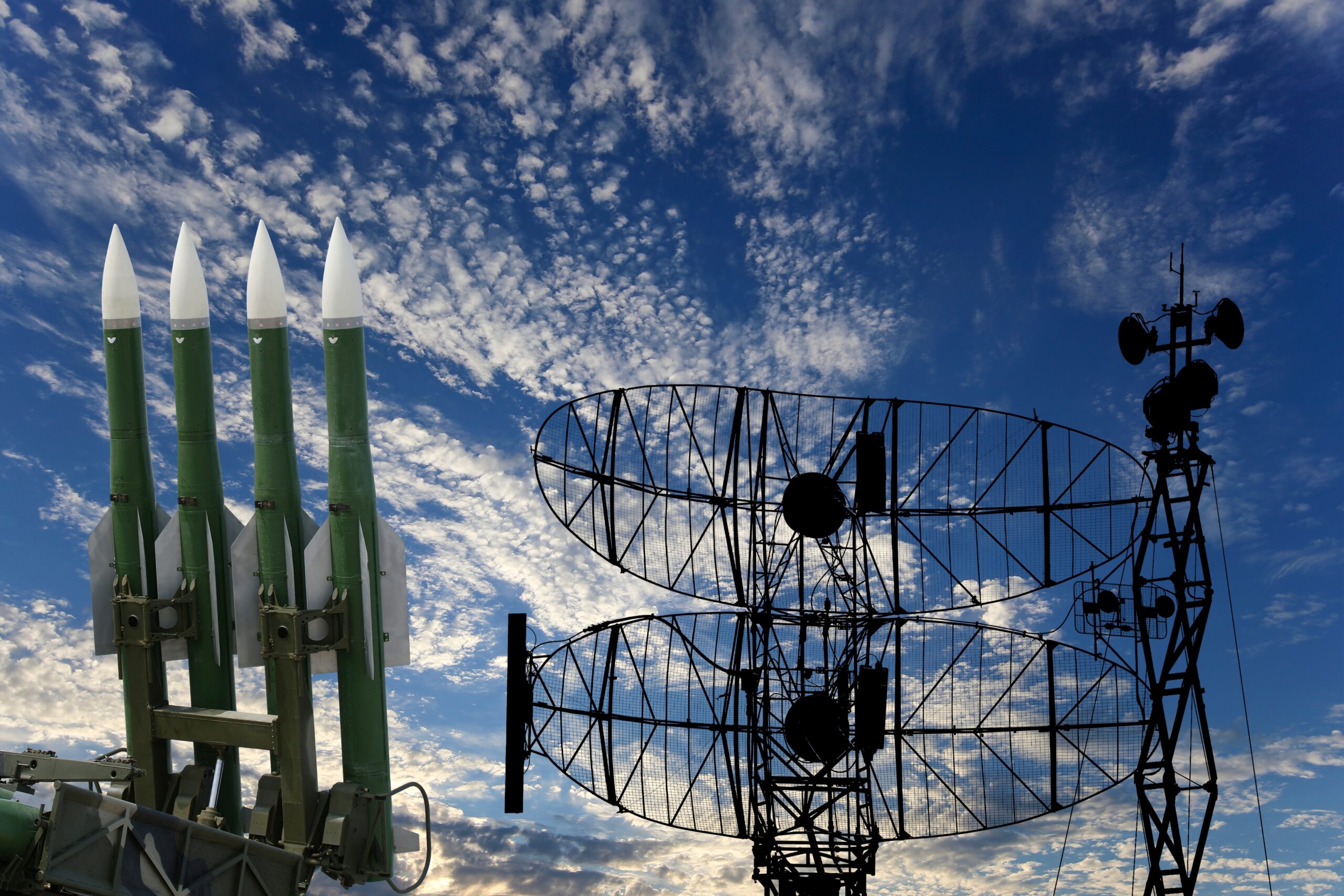
U.S. air and missile defenses in Europe are being upgraded with artificial intelligence (AI) to improve detection, tracking and engagement of advanced Russian threats such as the Oreshnik hypersonic intermediate‑range ballistic missile (IRBM). According to Israeli defense analysts speaking to Autonomy Global on condition of anonymity, Oreschnik is expected to enter service by late 2025.
The U.S. will deploy additional air defense systems across Europe as the Russian Oreshnik IRBM moves toward full operational deployment. This reflects growing concern in Western capitals over its speed, range and payload complexity. In parallel, Washington plans to execute previously announced deployments of the new Dark Eagle hypersonic weapon in Germany beginning in 2026 as part of the Multi‑Domain Task Force. This will extend coverage to targets more than 2,775 km away and reinforce NATO’s deterrent posture.
Russian engineers based the Oreshnik on the RS‑26 “Rubezh” ICBM program. The Pentagon assesses the missile as having nuclear capability with the flexibility to carry either conventional or nuclear warheads and a range sufficient to strike any target in Europe. Western assessments indicate the system carries six warheads that each dispense multiple submunitions, forming a multiple independently targetable re‑entry vehicle (MIRV) or MIRV‑like payload that generates a dense, multi‑object footprint in the terminal phase.
Analysts say Oreshnik’s payload reaches terminal speeds of roughly Mach 10–11 on a high, lofted trajectory that maximizes re‑entry velocity, which complicates tracking and discrimination for legacy systems such as Patriot and Aegis, while sharply compressing warning and engagement timelines. The combination of MIRVed, maneuvering hypersonic re‑entry vehicles and numerous submunitions is engineered to overwhelm modern defenses by presenting swarms of fast, hard‑to‑track objects arriving nearly simultaneously.
The effectiveness of U.S. and allied defenses, including Patriot PAC‑3, THAAD, Aegis BMD (SM‑3/SM‑6), and the U.S. GMD architecture remains highly sensitive to engagement geometry, the number and sophistication of incoming warheads and decoys, sensor coverage and available interceptor inventories. Given Oreshnik’s high speed, MIRV payload and submunition pattern, commanders may need to allocate multiple interceptors per incoming missile. This will place new stress on magazines and raise the risk that some warheads could penetrate even layered defenses if not augmented by AI‑enabled sensing, tracking and fire‑control solutions.