
By ARIE EGOZI, Autonomy Global – Ambassador for Israel
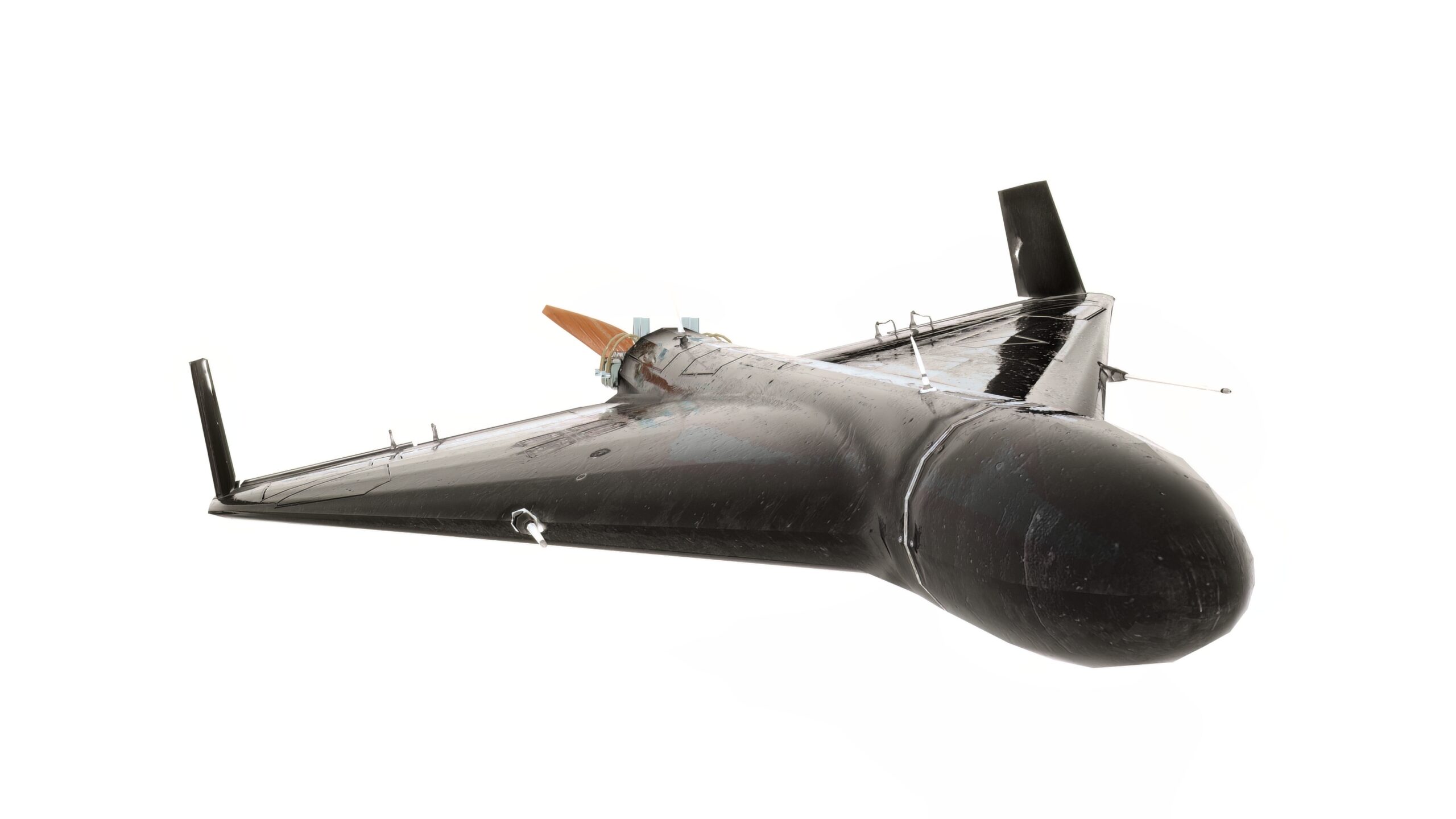
Europe’s air defense architecture faces a growing cost-effectiveness crisis as Russia scales up mass employment of low-cost, one-way attack drones in Ukraine. The economics of current interceptor inventories are increasingly mismatched against disposable kamikaze platforms that can be produced and deployed at scale.
Russian Drone Usage Spike
According to UK Defence Intelligence, Russia dramatically expanded its use of one‑way attack drones against Ukraine in 2025. Approximately 55,000 armed one‑way drones were launched over the year, about five times the volume recorded in 2024. This underscores a major increase in both production capacity and operational tempo.
In December 2025 alone, Russian forces launched around 5,100 kamikaze drones at Ukrainian targets. That figure was only slightly below November’s estimated 5,400 drones. Analysts attribute the modest decline primarily to adverse winter weather rather than any slowdown in Russian output or intent.
Cost Imbalance with European Interceptors
An Israeli senior air defense expert warns that Russia’s cheap armed drones render many of Europe’s currently fielded interceptors “critically not cost effective.” Each engagement pits relatively inexpensive, expendable drones against interceptors that can cost hundreds of thousands to millions of dollars per shot.
For example, IRIS‑T surface‑launched missiles from Germany’s Diehl Defence cost roughly 485,000 dollars per unit. This makes them cheaper than Patriot PAC‑3 interceptors but still expensive relative to low‑cost drones. Patriot PAC‑3 rounds are estimated at 3–5 million dollars each, while NASAMS AIM‑120 variants range from about 400,000 to 1.2 million dollars. France’s MBDA Mistral is around 545,000 dollars per missile.
Strategic Risk After the War
The Israeli expert cautions that the implications of Russia’s drone campaign will outlast the fighting in Ukraine. Once the conflict ends, the same families of low‑cost armed drones are expected to pose an immediate threat to multiple European countries, especially where high‑end interceptor stockpiles are limited and financially constrained.
This emerging reality is driving calls for Europe to accelerate development and deployment of new, cost‑effective air defense layers. To remain sustainable, future architectures will need affordable interceptors, point-defense systems, and non-kinetic solutions capable of countering mass drone salvos without exhausting budgets on every engagement.