
By Arie Egozi, Autonomy Global – Ambassador for Israel
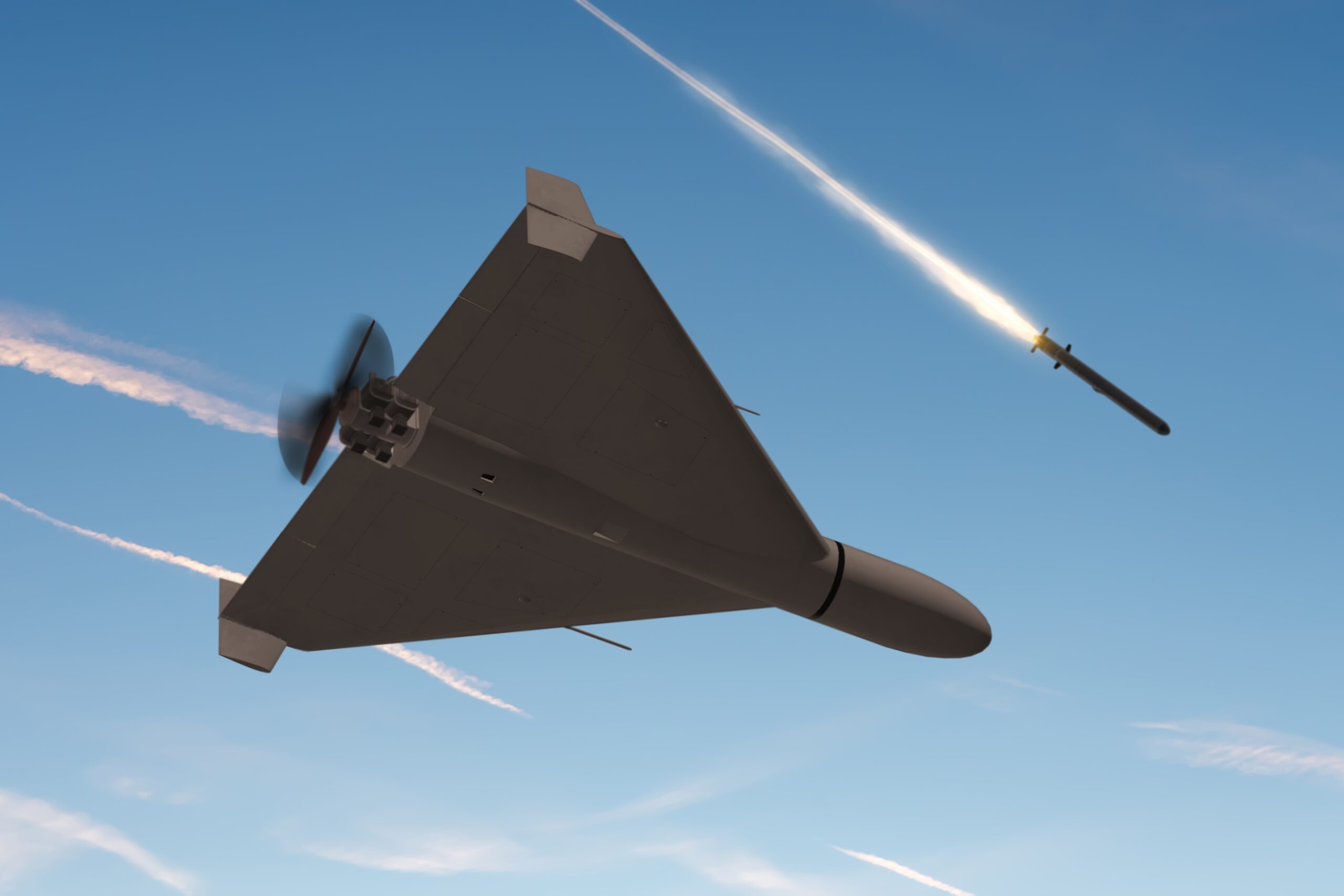
According to intelligence sources, Russia is now supplying Iran with upgraded components for its Shahed family of attack drones, leveraging battlefield experience from tens of thousands of launches over Ukraine to improve range, accuracy and survivability. These enhancements reportedly center on communications, navigation and targeting systems and include the integration of Russia’s Kometa‑M satellite navigation technology designed to resist heavy electronic jamming.
The Kometa‑M hardware, already seen across Russian missiles and loitering munitions in Ukraine, uses a digital controlled‑radiation antenna array to harden GPS and GLONASS signals against electronic warfare. This allows Shahed‑type drones to maintain guidance in highly contested airspace.
Intelligence reporting indicates that at least one Iranian Shahed drone recovered after an attack on Western forces contained Kometa‑M components identical to those found in Russian weapons, highlighting the depth of Moscow–Tehran technology transfer. Israeli defense sources say the iterative upgrades now being exported back to Iran are a direct result of Russia’s experience mass‑producing and fielding Iranian‑designed drones in Ukraine.
Russia has also reworked the Shahed airframe to increase speed, agility and survivability by introducing a more streamlined chassis with carbon‑fiber structures, armored engine compartments and relocated fuel tanks pulled into the fuselage. These changes reduce radar cross‑section and improve crash tolerance and make the drones harder to detect and intercept while preserving the low‑cost, expendable profile that underpins Russia’s strategy of large‑scale swarm attacks. Some of the latest variants reportedly incorporate AI‑enabled autonomy to refine terminal guidance and route planning, further complicating air‑defense planning.
At the heart of this industrial effort is the Yelabuga drone factory inside the Alabuga Special Economic Zone in Russia’s Republic of Tatarstan, now the primary hub for local production of Iranian‑designed systems. Satellite imagery and open‑source reporting show rapid expansion of the complex, with new fabrication halls and support buildings added since 2023 as the facility shifted from assembling Iranian kits to largely localized manufacturing of Shahed‑131/136 loitering munitions (known in Russia as Geran‑1 and Geran‑2) and Albatross‑series reconnaissance UAVs. Western analysts estimate that by 2024–2025, Yelabuga was producing thousands of Shahed‑type drones annually, with production goals rising into the tens of thousands as Russia seeks to sustain and scale its long‑range strike campaign.
Localisation at Yelabuga is believed to have reached roughly 90 percent, with Russian industry replacing most imported subsystems while still relying on selected Chinese components in electronics and materials. This combination of Iranian design, Russian battle‑driven engineering changes, and global component sourcing gives both Moscow and Tehran a more robust, upgradeable Shahed ecosystem that can quickly incorporate lessons from ongoing conflicts. Israeli experts warn that as Russia and Iran continue to iterate on these platforms, air and missile defense networks across Ukraine, the Middle East and beyond will face an increasingly capable family of low‑cost, hard‑to‑jam and harder‑to‑kill loitering munitions.