
By: Michelle Duquette, Autonomy Global Ambassador – Operations
When you see veteran aviation maintainers entering the Advanced Air Mobility (AAM) sector, you’re watching the industry mature. They bring a fundamental habit: they treat aircraft as aircraft. That instinct shifts how uncrewed aircraft systems (UAS) programs operate—faster transitions from experimental to operational, with discipline built into the safety system as the norm.
From Structure to Start Up
Veterans with aviation maintenance and operations backgrounds bring the discipline AAM needs as it scales. Many UAS programs haven’t built pathways to recruit and retain veterans. And we’re not doing enough to spotlight the veterans already doing this work, the folks proving daily that military aviation discipline translates into safer, stronger commercial operations. I wrote this article to make their contributions visible and show how to bring that expertise into your program.
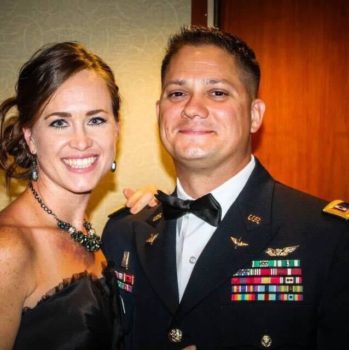
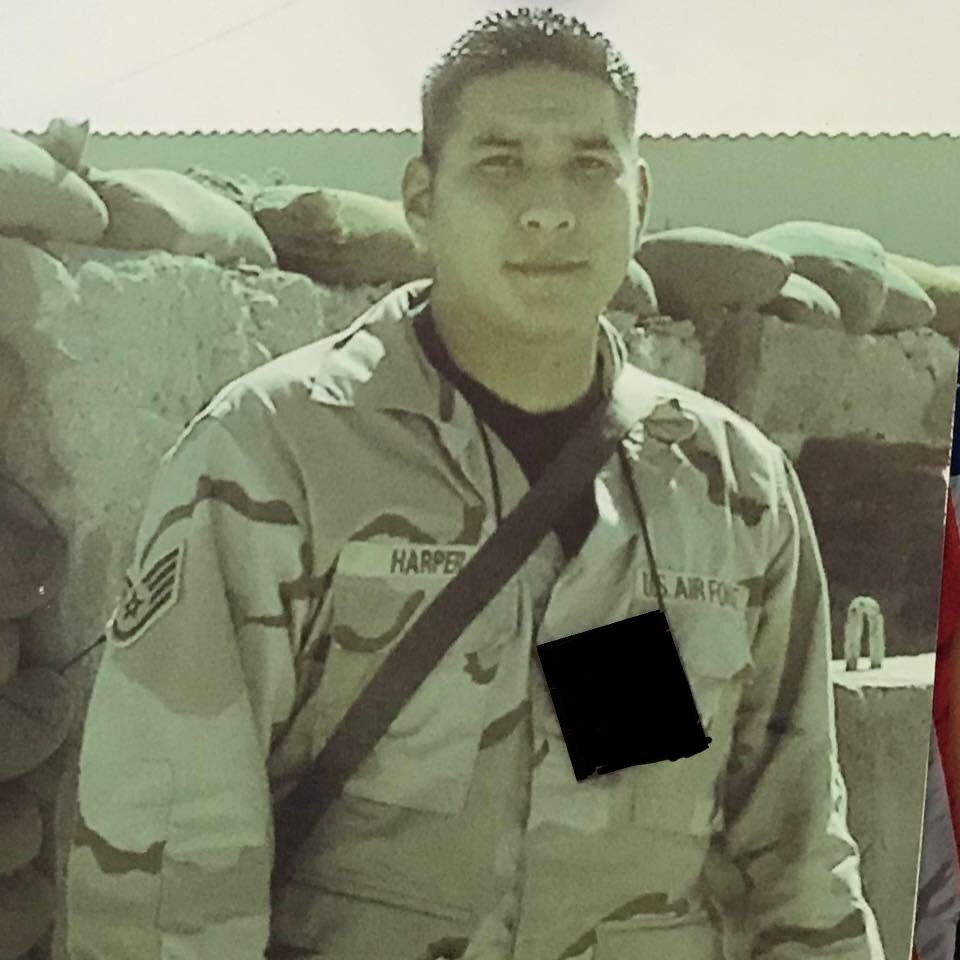
Clint Harper, a well-known aviation infrastructure and policy expert, CEO of Harper4D Solutions and retired U.S. Air Force Master Sergeant, started his aviation career as an AC-130H Spectre gunship flight line communications and navigation systems (CNS) technician. This experience laid a foundation for his appreciation of the discipline demanded in aircraft maintenance. In an exclusive interview for Autonomy Global (for which he also writes as an AAM Ambassador), he told me, “In the military, you don’t launch an aircraft you don’t trust, and trust is earned through verification. Acceptance checks, technical orders, certified sign-offs and inspections don’t disappear just because the aircraft is commercial or autonomous.”
Military aviation maintainers live inside technical orders, inspection regimes and configuration control. They understand scheduled and unscheduled maintenance, troubleshooting and records systems. They bring with them experience in tool control, foreign object debris (FOD) discipline and documentation practices that are all part of the overall safety management system (SMS).
Veterans Naturally Become Part of the Safety Core
As drones push into beyond visual line of sight (BVLOS) operations, critical infrastructure and longer AAM operations, the public and regulators measure outcomes against aviation expectations. Veteran maintainers, logisticians, IT specialists, program managers and operators help UAS programs meet that standard sooner.
They expect checklists, brief and debrief cycles and root-cause analysis. That’s what an SMS-aligned UAS program looks like. They connect airworthiness, operational risk and mission objectives, which leads to defendable go and no-go decisions, early on and before it gets too expensive.
When those habits show up in drone operations, the whole program gets stronger. Programs have fewer surprises, strong logical maintenance records and faster learning-to-execution loops. Businesses get a clearer line between “training” and “operating.”
How This Looks from the Various Standpoints
When a state or institution stands up a UAS test site, drone program,or training pipeline with veterans in mind, they retain local human capital that enters the program with a native understanding and practical experience.
“Veterans transition out of the military with specialized skills that translate directly to the Advanced Air Mobility sector. By harnessing their mission-driven mentality and dynamic operational expertise, companies can accelerate their growth and build a high-performance workforce ready for the next level,” according to Emily Bose, Managing Director, Transition Overwatch, an organization that provides veteran-optimized career programs and employer partnerships built around structure, retention, and translation.
“Veterans thrive on clarity and purpose,” Bose continued. “Our Veteran Retention Program delivers both, resulting in an over 90% retention rate. From technical aviation roles to essential support functions like IT and supply chain, Transition Overwatch provides the financial security and organizational structure that keeps veterans on your team for the long haul.”
From the military side, all of this signals to separating service members that the mission they know will continue. Skills from specialized areas such as maintenance, logistics, planning and cyber and IT translate directly into UAS maintenance, range safety, test engineering and ops management. These people can literally hit the ground running.
Testbeds, Operational Flight and the Mission Mindset
Veterans already run some of the most advanced autonomy environments in the country. At places like the M-air facility at the University of Michigan’s Mcity, complex autonomy tests combine ground vehicles, drones, communications networks, cyber security and dense constraints. That’s the future of integrated autonomy.
“What we’re doing at M-air is still mission planning. I’m doing almost the same job that the Army trained me for. The variables changed like airspace, vehicles, stakeholders and technical services, but the process of managing risk and learning fast is the same,” explained Jim Lollar, Chief Warrant Officer 2 (Ret) and Program Manager at Mcity/M-air.
Veterans like Lollar are making impacts at several state ranges where National Security and Public Safety drone programs, BVLOS advanced research and AAM concepts are proven under federal and state oversight. Veteran leadership keeps “experimental” disciplined. Every sortie feeds a learning loop. Every learning loop tightens the program.
Speaking to Communities
Autonomy has to earn community permission if the industry is to scale. Veterans with aviation, planning, and infrastructure backgrounds are positioned to translate between flight operations and senior officials within city hall who must answer for public risk, siting decisions, and accountability. Veterans with aviation backgrounds work well in this translation role because they combine three capabilities:
- Technical fluency: They understand how aircraft systems, flight operations and safety protocols work.
- Operational Translation: They explain operational objectives in clear, outcome-focused language. Many have served in multiple roles, blending concepts aligned with coordinating safe operations, enforcing standards and managing risk in complex, non-routine environments.
- Community credibility: They’re speaking to their own communities, where they live, among friends and family. That foundation of local trust is strengthened by their service background and operational approach.
Harper, for example, transitioned from aircraft maintenance to airfield management mid-career. He cites operational diversity as a strength in his current role communicating with communities. “Most communities don’t speak ‘aviation’,” he said. “They want to know this isn’t being done off the cuff. Veterans can translate what disciplined planning and risk controls look like, and what it means for navigating community concerns, such as noise, safety, and accountability.” That translation is practical, credible and builds informed trust and consent.
Attract the Best and Brightest: Design Pipelines
Organizations can design veteran-centered platforms that provide workforce pipelines. In the drone and AAM space, that could look like:
- Veteran-first pathways into UAS maintenance, ops centers, range safety and operations management.
- Partnerships with transition platforms and veteran-serving organizations that convert military experience into civilian language and outcomes.
- Clear interfaces with state-level efforts like FAA-Designated UAS Test Sites and university testbeds like M-air, where veterans can see a next mission that still looks like their Military Occupational Specialty (MOS).
Programs that combine technical training with cultural translation convert military discipline into civilian impact. That includes: how to talk about leadership without rank; how to assert maintenance authority without a title; and how to build standard operating procedures (SOPs) that people follow.
These types of programs, including paid apprenticeships, employer preparation or retention-focused models that treat veteran talent as a competitive advantage, can attract the best assets to your business, veterans. Besides Transition Overwatch, other veteran-to-aviation pathways already in motion include:
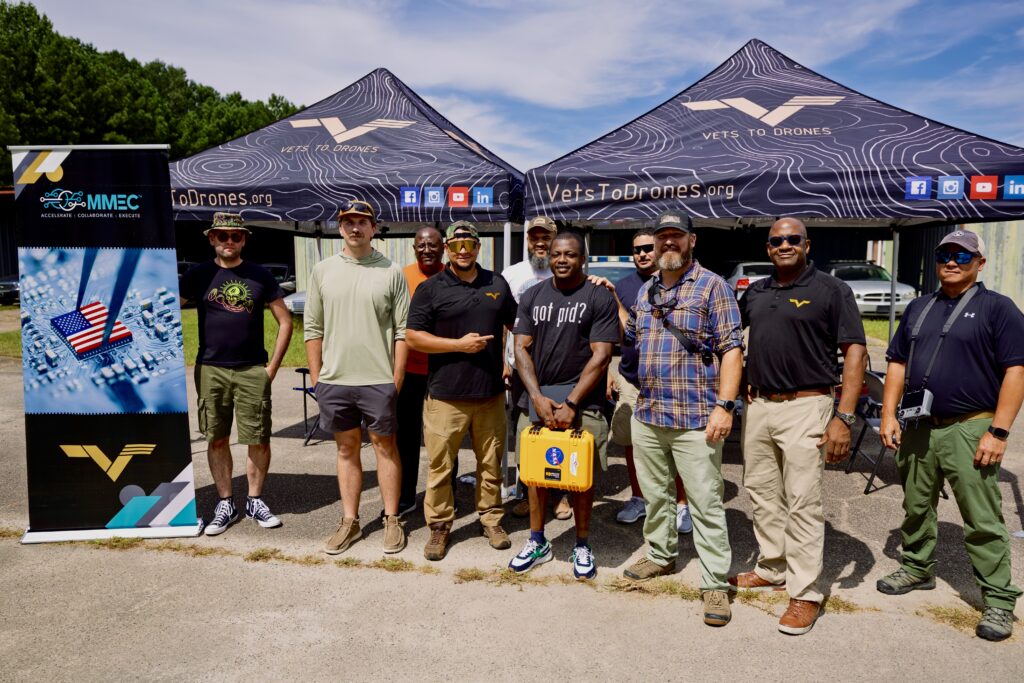
- Vets to Drones:Training and apprenticeship pathways that move veterans into commercial UAS roles, aligned with recognized standards and real-world missions.
- BreakTurn: A&P-oriented aviation maintenance transition model that can be mirrored for UAS maintenance programs and MRO-style drone operations.
- FAA Veteran Initiatives: Federal pathways connecting veterans to safety, technical, and regulatory roles, including those touching UAS.
- NBAA Military-to-Civilian Initiatives: Business aviation efforts widening the military pipeline into maintenance and operations, relevant to AAM and high-end UAS.
Reach out to these organizations and put veteran maintainers and mission leaders at the center of your workforce strategy. Build your teams around their strengths for structured processes and procedures and accelerate your go-to-market plan.
CW3 (Ret.) Lollar from Mcity/M-air said it best: “If you offer me a veteran maintainer or planner, I know exactly where they plug into a test program. The industry just needs to decide it wants that level of rigor.”
In my assessment, our industry requires that level of rigor. So, hire a vet today…and watch your business soar!