
By Arie Egozi, AG Ambasssador – Israel
Israel has completed development of its Iron Beam laser air defense system and will deliver the first operational capability to the Israel Defense Forces (IDF) on December 30, 2025, according to Brig. Gen. (Res.) Dr. Daniel Gold, head of the Ministry of Defense Directorate of Defense Research & Development (DDR&D).
The ground-based high‑energy laser is designed to intercept rockets, mortar shells, unmanned aerial vehicles (UAVs) and short‑range missiles. It will augment, rather than replace, Israel’s existing missile-based air defense systems.
Gold said the Iron Beam program has completed a comprehensive development and testing campaign and is now ready to enter service, with work already underway on next‑generation configurations. Israeli defense officials describe the system as a “game‑changing” capability expected to fundamentally alter air defense concepts of operation by engaging threats at the speed of light and at a fraction of the cost of kinetic interceptors.
Iron Beam, developed by Rafael Advanced Defense Systems in cooperation with the DDR&D and other Israeli industry partners, will be integrated into Israel’s multi‑layered air defense architecture alongside Iron Dome, David’s Sling and Arrow. Iron Dome’s command-and-control algorithms will determine when to employ the laser and when to launch Tamir interceptors, to optimize the mix of engagements based on threat type, range and priority.
The laser system is primarily intended to handle short‑range rockets, mortars, missiles and armed drones that pose a persistent challenge along Israel’s borders. Lessons from recent conflicts, including mass rocket and UAV attacks by Hezbollah and the Houthis, accelerated Iron Beam’s development and pushed the program to the top of Israel’s air defense modernization agenda.
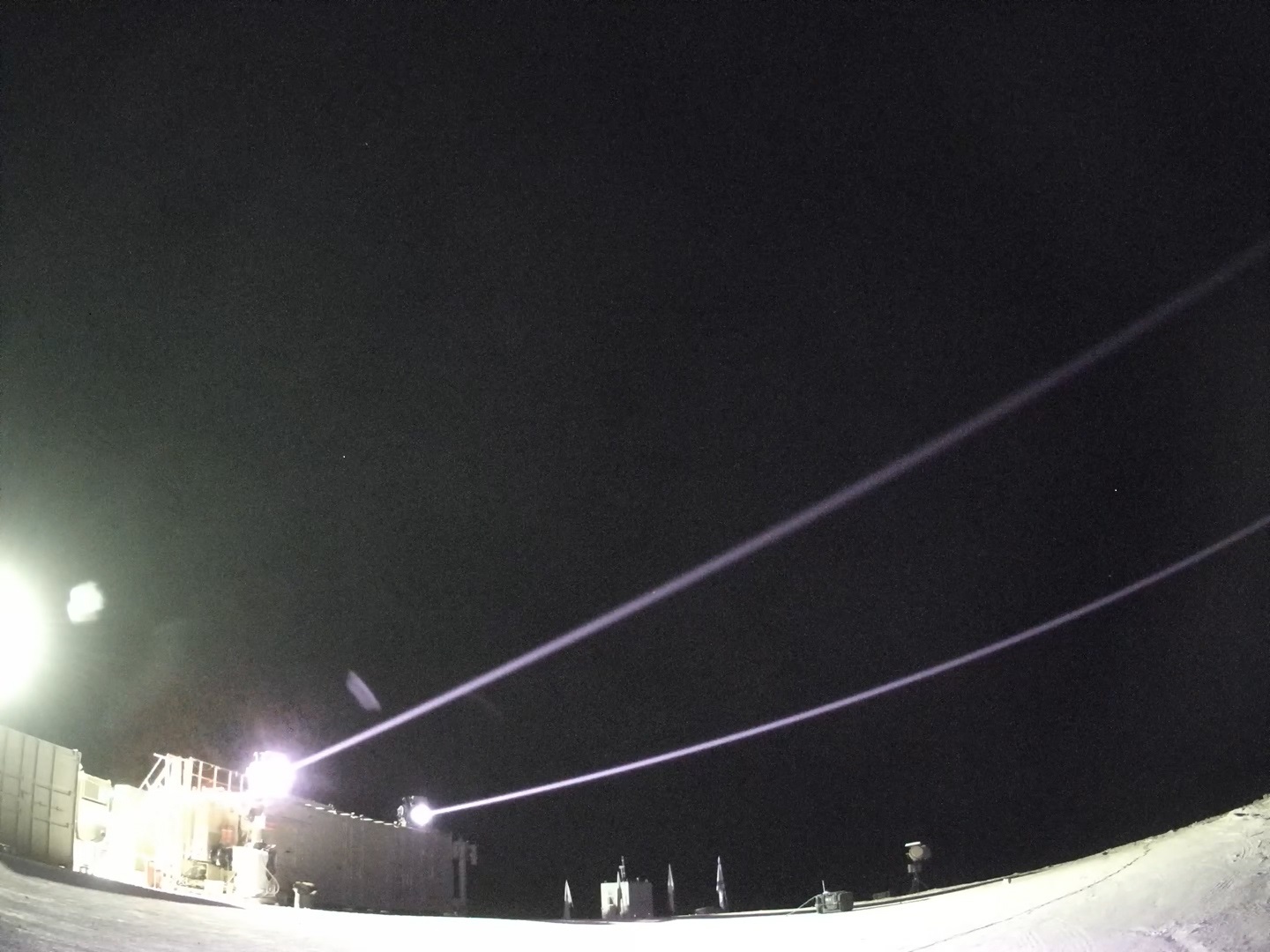
Initial fielded systems are expected to operate in the 100–150 kW power class, using advanced beam‑control optics to focus energy on targets at tactical ranges. Defence sources indicate the beam passes through a specialized aperture that sharpens accuracy and lethality. This enables the system to burn through rocket casings and drone structures within seconds of target acquisition.
A key advantage of Iron Beam is its cost-per-shot profile. Each laser interception is expected to cost only a few U.S. dollars in electricity, compared to tens of thousands of dollars for a single Iron Dome Tamir missile. While performance can be degraded in haze, cloud, or dense dust, the effectively “bottomless magazine” and low marginal cost make the system particularly attractive for countering saturation attacks and sustained drone swarms.
Like Iron Dome, Iron Beam will be deployed to protect population centers, critical infrastructure and frontline units, with both systems operating side by side to provide layered coverage. The Ministry of Defense has indicated that the initial deployment on December 30 will mark the transition to operational service, with follow‑on upgrades and mobile variants already in development to expand coverage and flexibility.