
By: Sarah Nilsson, AG Drone and AAM Law Ambassador
Advanced air mobility (AAM), or as some regions refer to it, “innovative air mobility” (IAM) represents a holistic shift in how air transport will serve cities, regions and remote areas. At its core, AAM introduces new aircraft types: electrically powered, sometimes hydrogen- or hybrid-based, and increasingly automated electric vertical takeoff and landing vehicles (eVTOLs). These aircraft will provide urban air taxi services, regional passenger logistics, cargo delivery, and emergency response. All of this will be managed within a reimagined airspace that demands that regulators, cities and aviation professionals rethink how airspace, airports, and heliports are developed and operated. Vertiports, vertistops, and vertipads will become focal points for urban mobility and require significant investments in construction, maintenance, staffing and technology.
And industry research projects a remarkable future for AAM. According to Grand View Research, the global market size is set to escalate from $11.75 billion in 2024 to as much as $114–137 billion by 2035, with a compound annual growth rate (CAGR) between 24% and 25%. In the United States, annual revenue is predicted to soar from $3.76 billion in 2024 up to nearly $39 billion by 2035, with some forecasts pushing above $115 billion annually as the market matures. Persistent trends in urbanization, unsustainable road congestion and the need for greener mobility options drive these numbers. (See prior AG coverage of eVTOL market trends).
While headlines often focus on the money, eVTOL hardware breakthroughs and regulatory progress, the most lasting impacts of AAM may be in the creation of new roles for a skilled aviation workforce. As Franklin D. Roosevelt famously said, “We cannot always build the future for our youth, but we can build our youth for the future.” This sentiment underpins the evolution currently unfolding in the AAM sector, where harnessing new technology and preparing tomorrow’s workforce go hand in hand. Here’s an overview of some of the job opportunities that this new industry will bring and how you could become a part of this bright future.
Early Pathways: Preparing for Careers in eVTOL
Given the short-range nature of eVTOL jobs, operational pilots working for certified Part 135 operators (think: air taxis) will often return home nightly. Work-life balance is set to improve for these professionals. This makes aviation careers more compatible with family and community life than traditional airline schedules. Work-life balance is set to improve for these emerging aviation professionals.
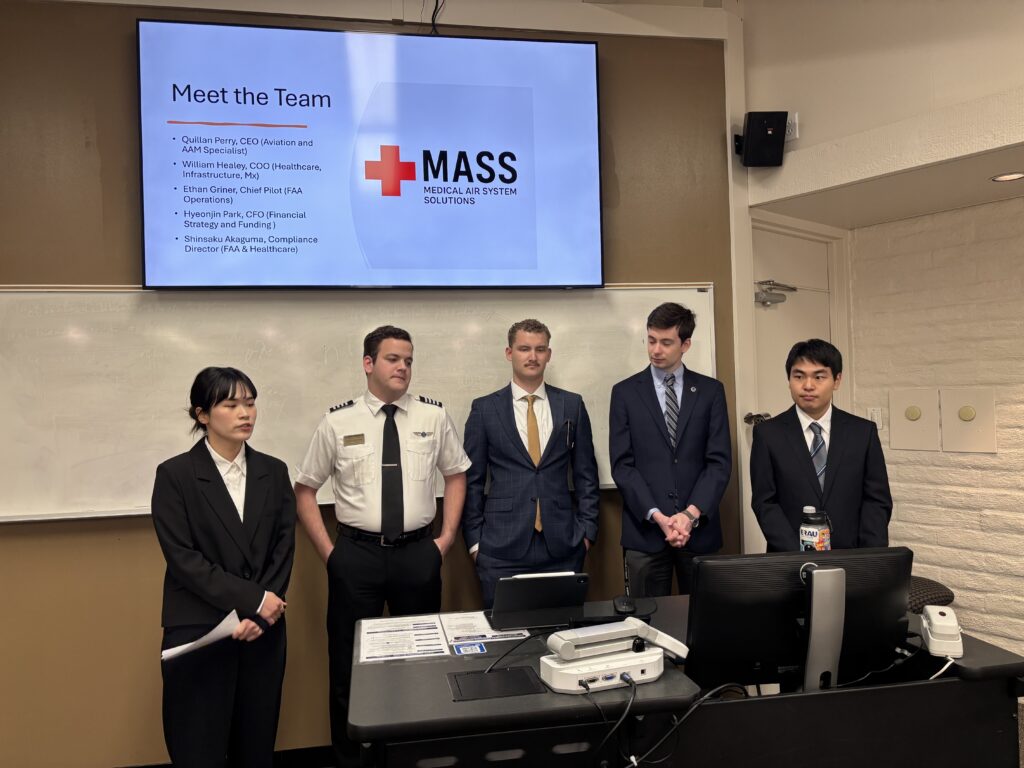
Young professionals and students should focus now on acquiring skills and credentials that align with this future demand. In the United States, the Federal Aviation Administration (FAA) has already set out pilot certificate requirements under Title 14 CFR Part 194 for powered-lift vehicles. Aspiring pilots begin by earning commercial certificates in fixed-wing or rotary-wing disciplines before progressing to specific eVTOL type ratings. Many of these can be completed in under 40 hours, inclusive of substantial simulator-based training. (See prior AG coverage of FAA eVTOL pilot requirements).
And some eVTOL companies have already started to train their next-gen pilot workforce. For example, California-based Joby Aviation is pioneering its own training academy to offer structured programs that give pilots hands-on experience in its aircraft systems. The curriculum spans private, instrument and commercial ratings, as well as flight instruction. The company makes use of the latest simulator technology to lower cost and increase accessibility. The future is already here!
Aviation Maintenance: Keeping the Fleet Airworthy
As the volume of eVTOLs starts to rise, so too will the need for certified Aviation Maintenance Technicians (AMTs). Maintenance professionals in AAM will face unique challenges, from advanced propulsion and composite airframes to integrated avionics and real-time diagnostics.
Successful AMTs will need to blend traditional aviation skills with knowledge of high-voltage systems, hydrogen storage, and automated maintenance procedures. The FAA’s updated Part 147 training regulation now allows more flexibility. It allows schools to refocus on electric and hybrid propulsion, battery systems and digital diagnostics, all crucial skills for future eVTOL fleets.
But in this particular world, there is what we call “job security.” The U.S. faces a persistent shortfall of AMTs. This gap is expected to persist over the next decade as baby-boomer retirees outpace new entries into the workforce. So for those willing to put in the work to learn this new trade, there will actually be work available to use those skills.
Engineering & Manufacturing: Innovators Needed to Power eVTOL
AAM’s expansion fuels a huge demand for engineering talent across several disciplines:
- Aerospace engineers will spearhead airframe and safety system design.
- Electrical and electronics experts will drive advances in battery management, avionics and control systems.
- Propulsion engineers will focus on new electric or hybrid motor designs, rotor development and thermal systems for efficiency and reliability.
- Software engineers and data scientists will underpin automation, simulation, cybersecurity and data analysis for these highly automated aircraft and traffic management networks.
Additionally, in manufacturing, new roles will emerge to support precision composites, additive manufacturing, and automated assembly lines, essential to scaling eVTOL production responsively and safely.
Managing the Skies: Air Traffic Controllers and Dispatch
Airspace integration remains a foundational challenge for AAM. The U.S. continues to monitor and address air traffic controller (ATC) shortages, which impact nationwide flight efficiency and safety. As new eVTOLs join conventional fleets, the need for skilled controllers, able to manage hundreds or thousands of daily operations, will be even more critical.
Aircraft dispatchers, certified by the FAA, will also see growing demand. They will need to support expanded operations and contribute to new scheduling, routing and safety practices for powered-lift aviation.
Building Vertiports: Construction and Infrastructure Roles
Transforming traditional airports and heliports into vibrant AAM hubs requires an army of professionals. Architects, civil engineers and urban planners will work with city officials to ensure seamless integration into local transportation grids. Heavy equipment operators, carpenters, electricians and other trades will drive vertiport construction, alongside sustainability experts focused on renewable energy and electric grids for charging eVTOL fleets.
Once complete, hubs will require fully staffed teams, from FAA-trained dispatchers and ramp agents to hospitals that call for medical flight staff trained in quick response and airborne care. The demand spreads to other service roles including receptionists, service managers, culinary workers, cleaning staff and hospitality professionals who will be needed to serve at freshly co-located restaurants and hotels.
Navigating the Regulatory Future: Legal Careers and FAA Staffing
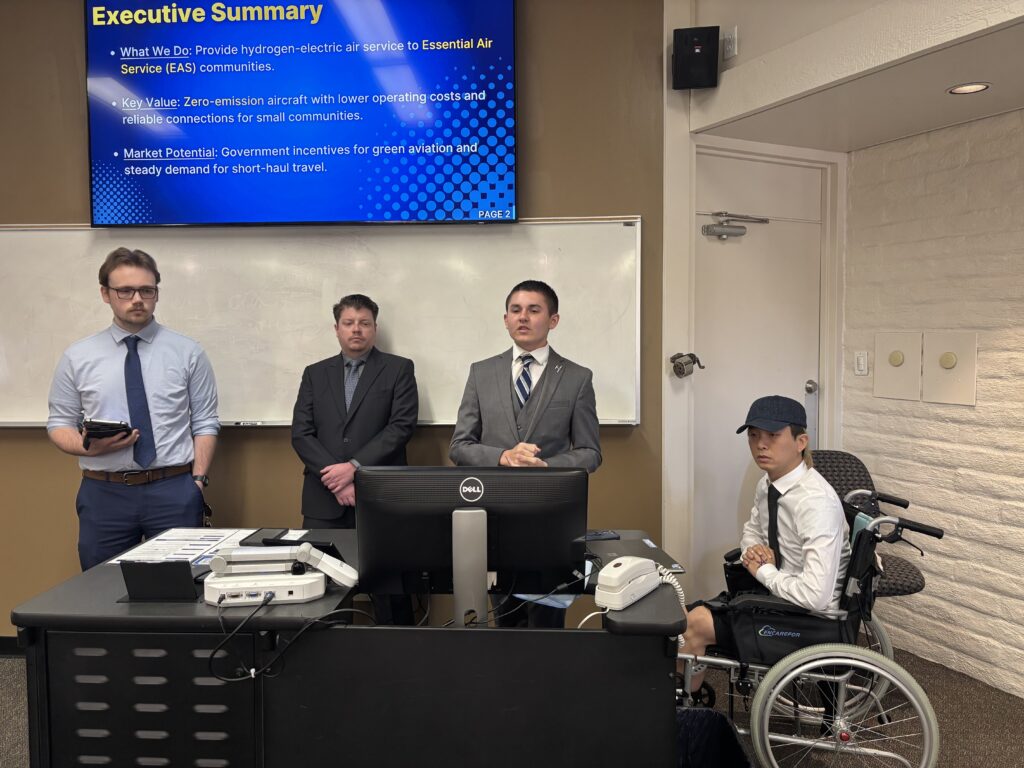
As industry growth accelerates, legal experts familiar with FAA regulations will become essential. Attorneys and regulatory specialists will guide both certification efforts and operational compliance to help manufacturers and operators navigate evolving standards for safety and performance.
Simultaneously, the FAA must expand its workforce, with more inspectors and examiners for eVTOL maintenance and flight operations, to guarantee the safety of an increasingly complex national airspace.
Become the Pipeline: A Call to Action for Future Talent
Ultimately, the growth and diversification of AAM’s workforce will define its legacy. Not surprisingly, workforce development remains a key theme at major industry conferences. Advocates highlight the importance of STEM, career and technical education (CTE) and public-private partnerships in bridging aviation’s talent gap. Educational institutions and employers are working together to expand access and diversity across all roles, from senior engineers and pilots to rural and urban youth entering technical trades. Strategic partnerships and business growth forums strengthen connections between academia, industry and government to nurture long-term innovation and competitiveness.
In the case of building the AAM workforce of tomorrow, the words of Winston Churchill ring true: “Continuous effort, not strength or intelligence, is the key to unlocking our potential.” The message to young people is clear. Keep building relevant skills, expanding knowledge and pursuing credentials. Prepare now, whether with FAA certification, engineering degrees or trade expertise, to become the professionals we need to shape the AAM industry of tomorrow.