
By: Dawn Zoldi
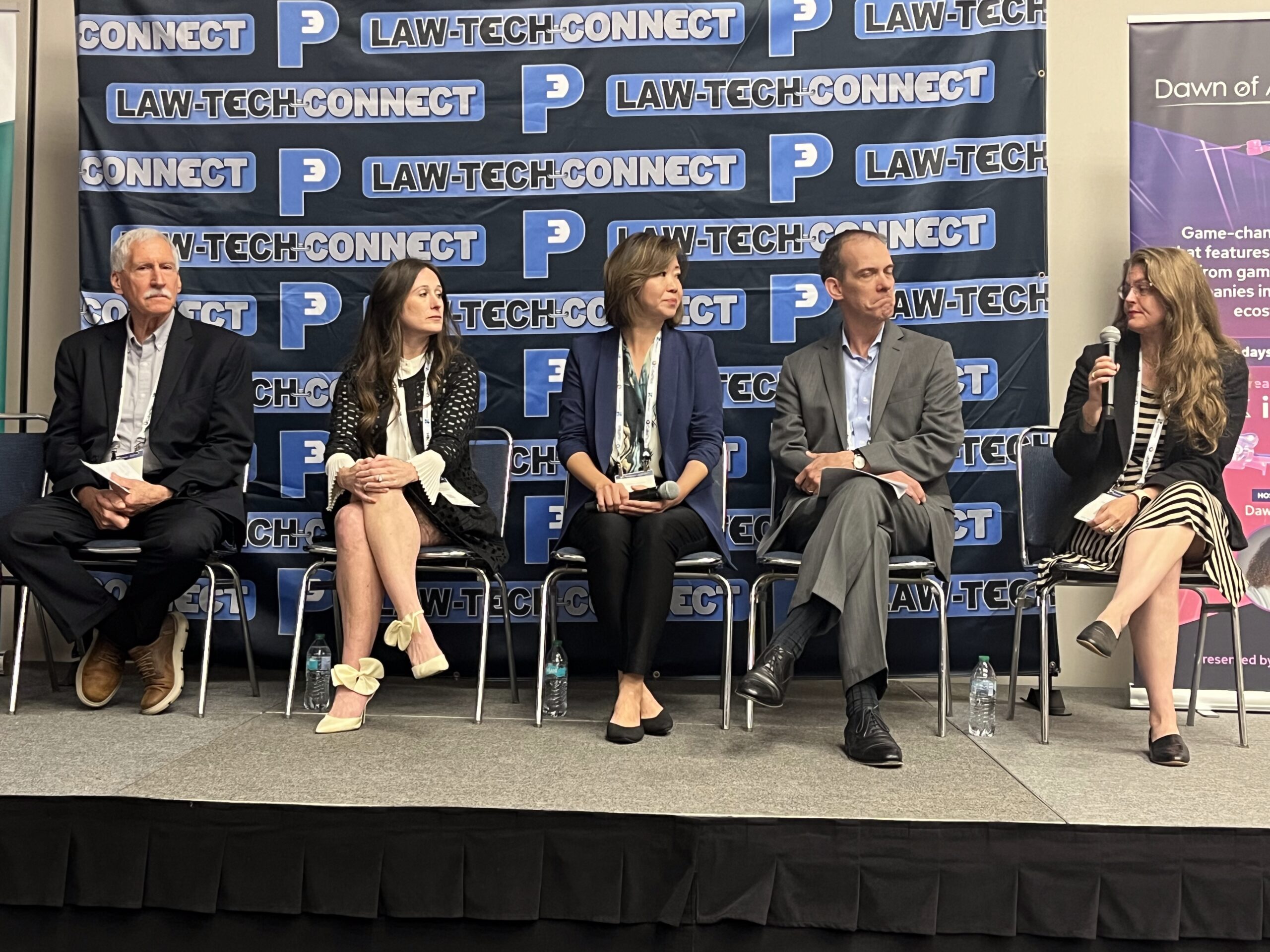
Autonomous ships, uncrewed surface vessels and underwater robots, once relegated to the land of sci‑fi, already survey seabeds, inspect critical infrastructure and quietly impact global trade and naval operations on a daily basis. Yet the core rules of the sea were written for human captains, onboard crews and lookout duties that assume someone is standing on a bridge with binoculars. This gap between old rules and new technology framed Law‑Tech Connect’s maritime panel on “Legal Issues for Autonomy in the Maritime Environment,” where regulators, litigators, in‑house counsel and a startup COO explored how law and autonomy collide at sea.
The Legal Seascape for Maritime Autonomy
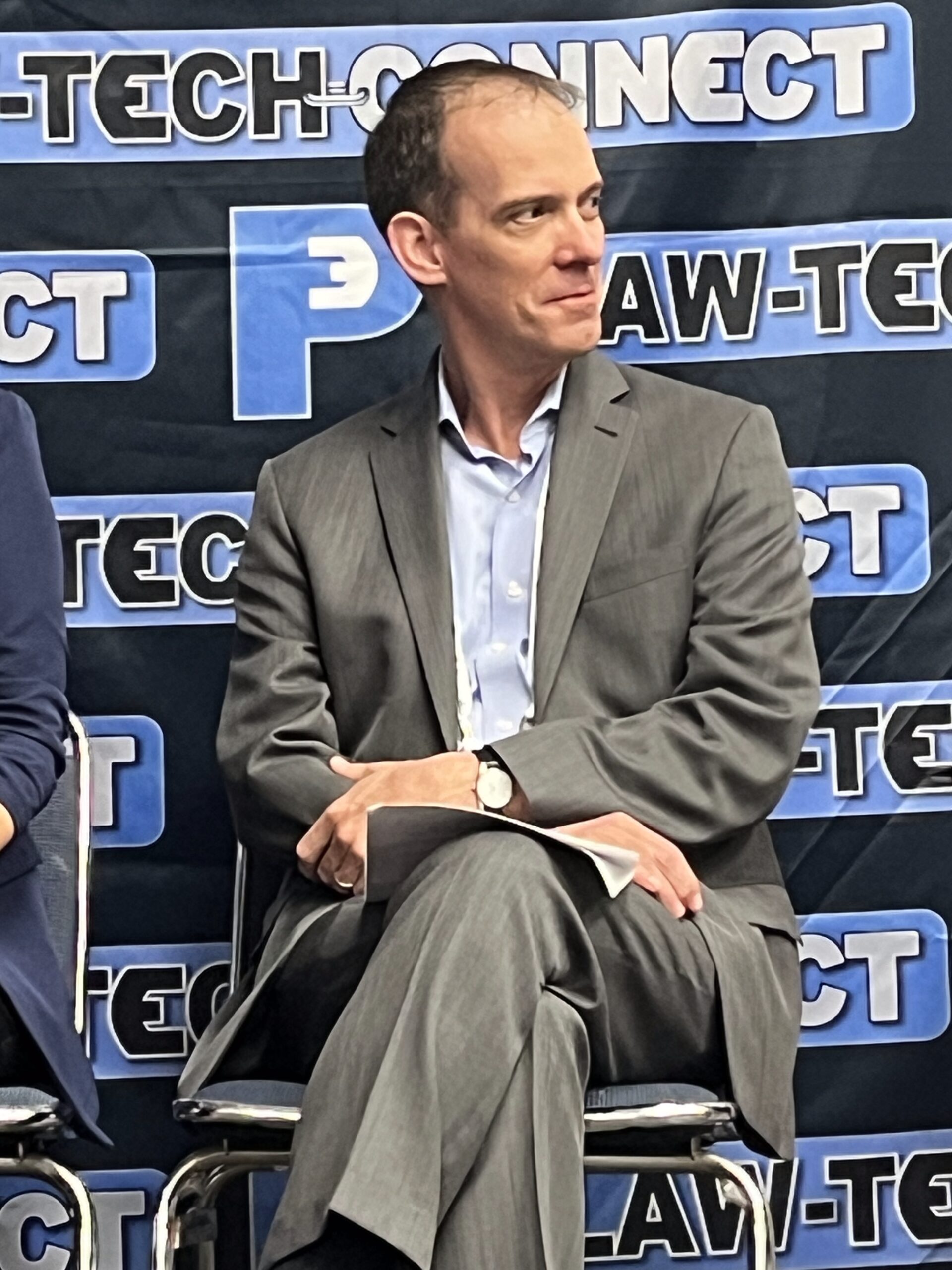
Maritime law slices up the ocean and that matters for autonomous systems. Ben Allen, a Holland & Knight attorney and former NTSB lawyer, explained the familiar ladder of maritime zones. Each zone carries different state control, from near‑total sovereignty in internal waters to flag‑state jurisdiction on the high seas, which dictates which laws apply to an autonomous vessel at any given point.
- Internal waters – Waters landward of the coastal state’s baseline (like harbors, rivers, and bays) where the state has full sovereignty, similar to its land territory, and can completely control or even exclude vessel operations.
- Territorial sea (0–12 nautical miles) – A belt of sea up to 12 nautical miles from the baseline where the coastal state retains broad regulatory and enforcement authority, subject to “innocent passage” rights that allow foreign vessels to transit so long as they do not threaten peace, good order, or security.
- Contiguous zone (12–24 nautical miles) – A zone beyond the territorial sea where the coastal state’s powers are more limited, focused on preventing and punishing infringements of customs, fiscal, immigration, and sanitary laws that occur within its territory or territorial sea.
- Exclusive economic zone (EEZ) (up to 200 nautical miles) – An area where the coastal state has sovereign rights over natural resources in and under the water (such as fisheries, oil, gas, and seabed minerals) and jurisdiction over related activities like offshore energy installations, while other states retain freedoms of navigation and overflight.
- High seas (beyond the EEZ/continental shelf) – Waters beyond national zones where no state may claim sovereignty, and all states enjoy freedoms of navigation, overflight, laying cables and pipelines, and fishing, subject to international law and the jurisdiction of each vessel’s flag state.
Heather Trosclair, in‑house counsel at Fugro, elaborated that “international waters” are really a legal construct defined by conventions like the United Nations Convention on the Law of the Sea (UNCLOS), International Convention for the Safety of Life at Sea (SOLAS), and pollution treaties, plus national implementation. States that ratify those conventions bind their flag vessels, even uncrewed ones, to safety, environmental and search‑and‑rescue (SAR) obligations that did not anticipate algorithmic captains or shore‑based remote operation centers.
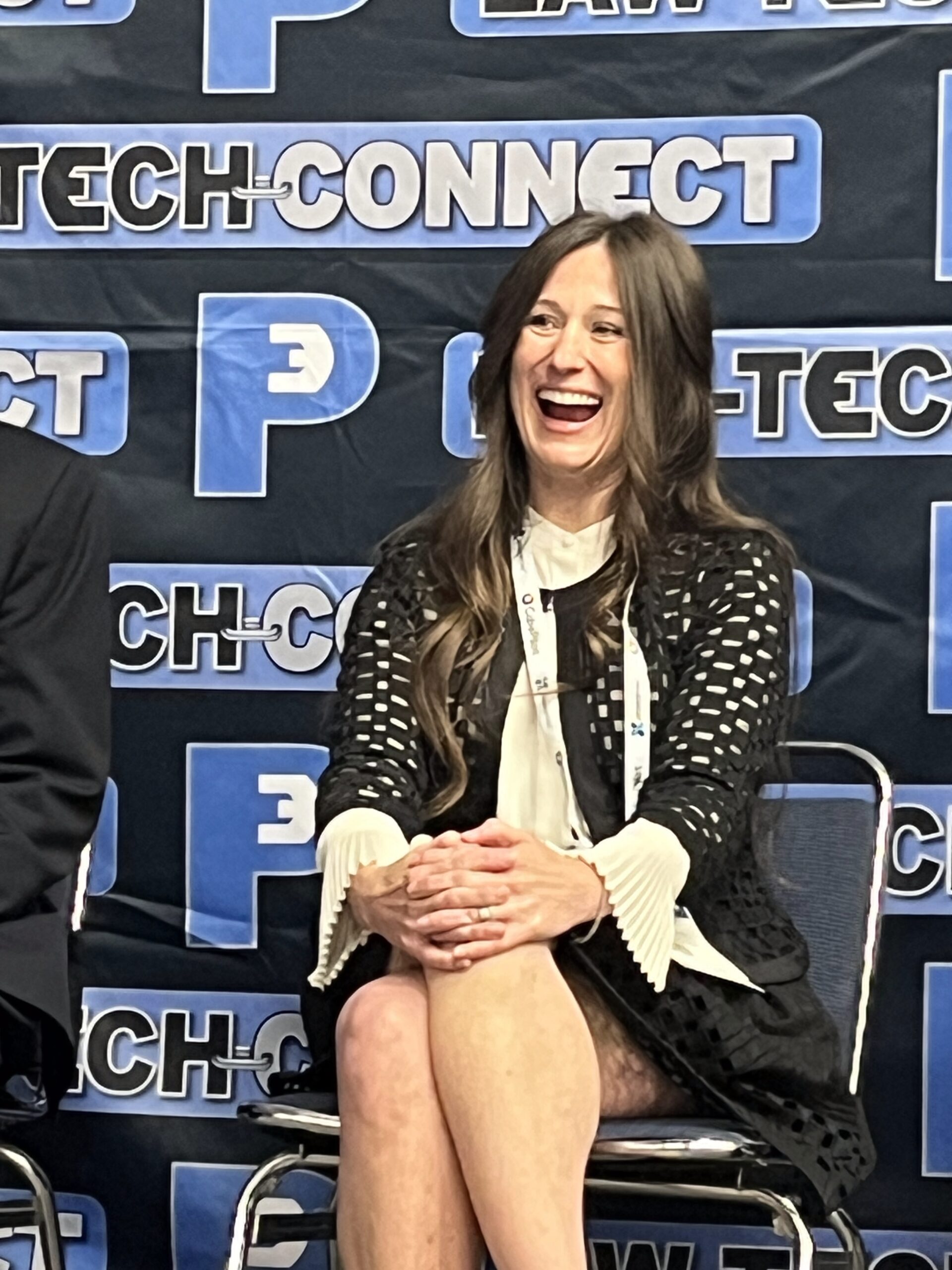
U.S. Navy Commander and JAG officer Tracy Reynolds added the military layer. While the United States has not ratified UNCLOS, it treats much of it as customary international law (CIL) and has “baked it into U.S. naval doctrine.” For warships, principles like due regard and freedom of navigation still apply, but Navy experts interpret them through an operational lens where mission accomplishment, platform survival and human life sometimes justify deviating from peacetime norms such as broadcasting Automatic Identification System (AIS) or taking the most predictable route.
Why Autonomy Matters in the Maritime Realm
Maritime autonomy is central to both decarbonization and safety. USVs can perform more than 80% of the tasks of traditional crewed survey vessels while burning about 95% less fuel, delivering dramatic emissions reductions against 2050 net‑zero targets. Remote operation keeps mariners out of high‑risk offshore environments. This moves them into shoreside remote operations centers while retaining familiar capabilities like VHF, radar, 360‑degree cameras and night vision.
But What Counts as a “Vessel” in the Age of Robots?
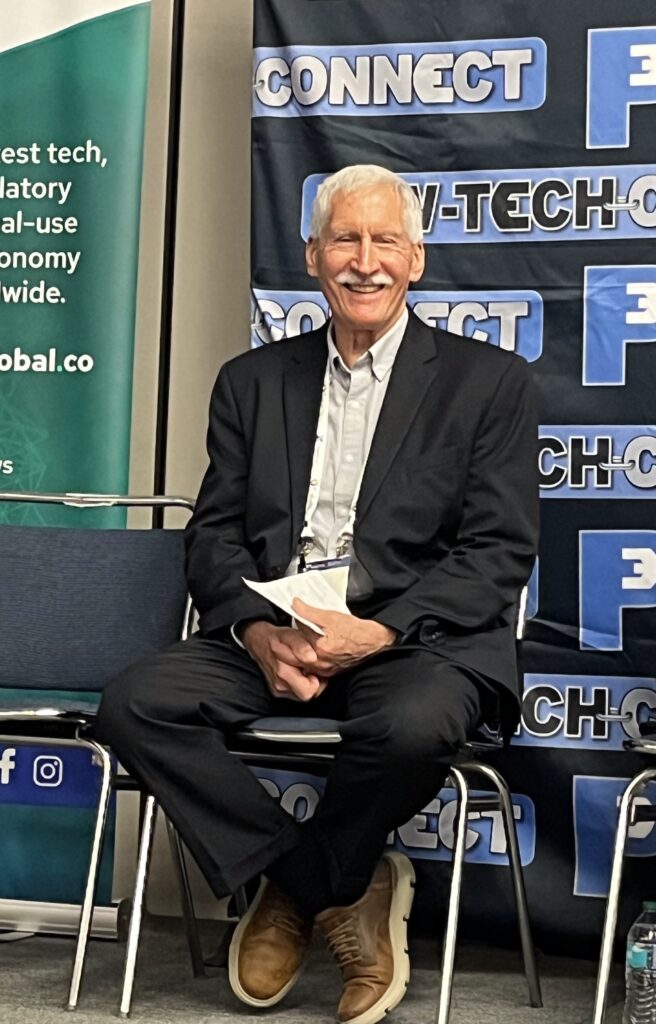
Despite the goodness of autonomous maritime vehicles, as an object of regulation, their very existence makes things a bit harder. Blank Rome partner and longtime submarine officer Alan Weigel highlighted a deceptively simple but central question: what is a “vessel”? Maritime law defines “vessel” broadly in multiple places, most prominently in UNCLOS, International Maritime Organization’s (IMO) conventions and national statutes such as the U.S. Code, but those definitions were drafted with traditional, crewed ships in mind. The issue, he emphasized, is that many autonomous platforms (tiny survey craft, sail drones, AUVs, transitional surface‑subsurface vehicles) do not fit neatly into those legacy concepts, yet most safety, crewing, collision‑avoidance, liability and inspection rules apply to “vessels.” This creates a high‑stakes fight over whether a given robot is legally a vessel at all and, if so, which obligations and liabilities attach.
Levels of Autonomy In the Maritime World
The International Maritime Organization’s emerging Maritime Autonomous Surface Ships (MASS) framework currently divides autonomy different “levels of autonomy.” This aids in classifying how much decision‑making is handled by humans versus onboard systems across a spectrum, rather than treating autonomy as all‑or‑nothing. While different organizations use slightly different schemes, the panel described a ladder roughly like this:
- Level 0 – No automation: All functions are manual; humans directly control navigation, propulsion, and mission tasks (for example, a fully manually flown ROV or a conventional crewed ship).
- Level 1 – Basic automation: Specific sub‑tasks are automated to support the human operator, such as depth‑hold on an underwater vehicle or simple autopilot/heading‑hold on a surface vessel, reducing workload but not taking over overall mission decisions.
- Level 2 – Partial autonomy: The system can execute predefined routes or survey lines once a human programs the plan, handling routine control along that path but still relying on humans for major decisions or changes
- Level 3 – Conditional autonomy: The vessel or vehicle can make its own decisions within defined boundaries (e.g., planning coverage paths, avoiding obstacles, and adapting to local conditions) while humans retain supervisory control and can intervene as needed.
- Level 4 – High autonomy: Designed for long‑range or remote operations with limited or intermittent communications, the system can handle most navigational and mission decisions on its own, calling for human input only in exceptional cases.
- Level 5 – Full autonomy: The system conducts end‑to‑end missions with no human in the loop during execution, from route selection and collision avoidance to mission tasking, with humans only involved in upfront design and configuration.
But this taxonomy overlays a messy reality in practice:
- On the surface: MASS can range from large cargo ships to compact survey craft and sail‑powered ocean drones used for oceanography and data collection.
- Below the surface: autonomous underwater vehicles (AUVs) and uncrewed underwater vehicles (UUVs) conduct inspections and mapping without tethers, as opposed to remotely operated vehicles (ROVs) that remain tied to motherships and fall outside strict autonomy definitions.
- Hybrid platforms: transitional systems can operate on the surface, then submerge for long durations, and even launch aircraft. This raises complex jurisdictional and classification issues.
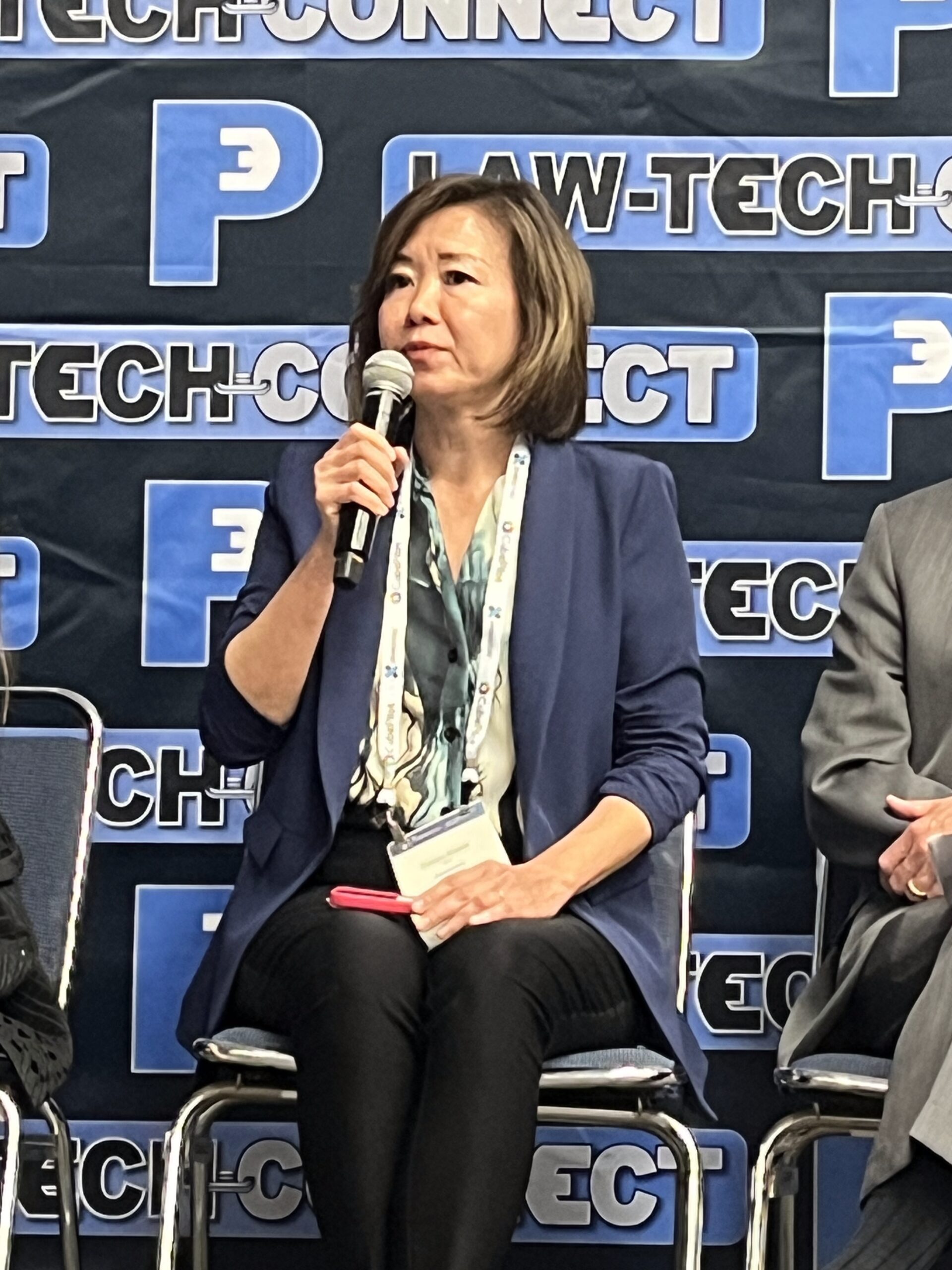
Aquatonomy COO Xiaoyu Kaess drew a parallel underwater. ROVs that used to be fully manual (level 0), she said, are now gaining basic functions like depth‑hold (level 1), path‑following survey modes (level 2), and conditional autonomy (level 3) where the vehicle plans coverage, avoids obstacles and executes missions while keeping humans in the loop via constraints and oversight. For critical infrastructure inspection, Kaess argued, mid‑level autonomy is the sweet spot, with enough onboard decisionmaking to manage complex environments, but not so much that asset owners feel blind or powerless. While that tech level may be clearly sweet, the legal paradigm that covers it is not as clear, which is not super sweet for asset owners.
Real‑World Autonomy: Who’s Actually Operating What?
Despite headlines about “ghost ships,” the maritime autonomy market remains small but strategically significant. Trosclair shared that, on the commercial AUV side, industry observers see on the order of a few dozen fully autonomous underwater vehicles operating globally, many used for survey work by firms like Fugro. On the uncrewed surface vessel (USV) front, Fugro is an industry leader yet currently fields only half a dozen USVs worldwide, even as client demand surges for hydrographic surveys, geophysical surveys, geotechnical coring, pipeline inspections, and light subsea repair.
Kaess’ Aquatonomy operates primarily in inland waters on underwater infrastructure inspections, where operations are governed predominantly by domestic law and, in some cases, extended maritime statutes when waters are navigable and tied to interstate or international commerce. Future work in international waters such as the Great Lakes would require grappling with shared governance, environmental regimes and cross‑border treaty frameworks that are still catching up with subsea autonomy.
On the defense side, Reynolds described autonomy as an inevitable part of the next‑generation naval toolkit, whether embedded in existing platforms like the Littoral Combat Ship (LCS) or procured through nearly billion‑dollar contracts spread across dozens of autonomy‑focused contractors. From her perspective, any technology used in the civilian sector, such as sensors, path‑planning, collision‑avoidance AI, almost inevitably finds dual‑use applications. This makes ethical and legal frameworks around autonomy a national security concern as much as a commercial one.
Crewing, Lookouts, the “No One Onboard” Problem
Many of the hardest legal problems arise from the fact that core maritime regimes assume people are physically on the vessel. Crewing statutes, lookout requirements and certification standards all embed notions of masters, officers and watchstanders who can be trained, tested, disciplined, and held civilly or criminally liable.
Weigel highlighted three main legal strategies that regulators and operators are using to bridge that gap
- Exclusion: design platforms to fall into statutory carve‑outs like uninspected vessels, oil spill response craft,or military vessels that escape standard minimum crew rules.
- Equivalence: use SOLAS and national equivalency provisions to substitute automation and remote operations centers for onboard crew, reducing required headcount even if not eliminating it entirely.
- Exemption-by-legislation: secure targeted legislative relief, as SpaceX did when Congress granted an exemption for its fully autonomous rocket‑landing barge via the 2023 National Defense Authorization Act.
Fugro lived the equivalence route in the UK. Before the UK Maritime and Coastguard Agency (MCA) issued its own MASS code, Fugro had to prove through a “novel compliance” process that USVs could meet manned‑vessel rules through alternative means. The classic example was the “proper lookout” requirement. Regulators had to be convinced that 360‑degree cameras, night vision and real‑time feeds to trained operators ashore were functionally equivalent to a seafarer on deck scanning the horizon.
That painstaking jurisdiction‑by‑jurisdiction work repeats itself in each new operating area, from the UK and Norway to Brazil, the UAE, Saudi Arabia and Australia, because most states still lack specific MASS codes. The IMO’s forthcoming MASS Code, currently slated to become a binding international standard sometime in the 2030s, is expected to catalyze global harmonization. Even so, panelists were candid that timelines slip and national implementation will be uneven.
Collision Rules, AIS and Mission Risk
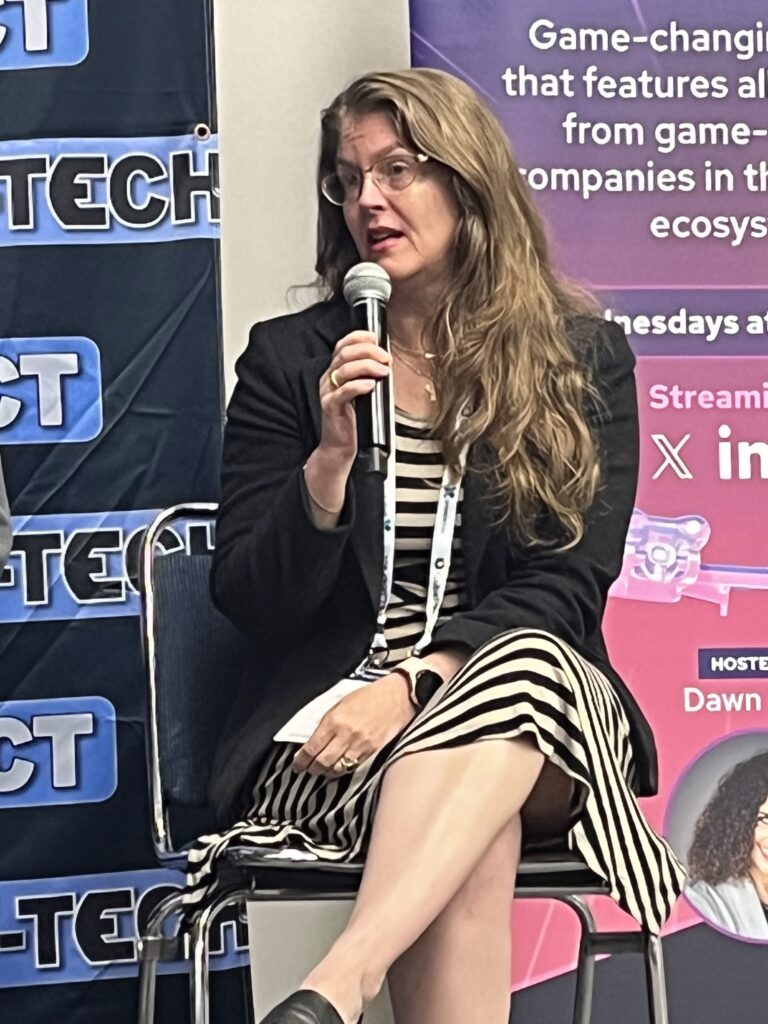
Collision avoidance rules, another pillar of maritime safety, were also written with human mariners in mind. Reynolds stressed that, in practice, operational lawyering is about understanding mission success and then balancing regulatory compliance against tactical risk, platform survivability and human life.
Consider AIS, the automatic identification system that commercial ships use to broadcast identity and position. For merchant vessels, turning off AIS in a traffic separation scheme is unthinkable. It can breach regulations, contracts and insurance conditions. For a warship on a sensitive operation, temporarily going dark may be operationally imperative, and the commanding officer may accept the legal and reputational risk in exchange for mission success.
Autonomous vessels must navigate the same tradeoffs, but with added complexity. Algorithms may choose maneuvers that are technically collision‑rule compliant yet surprising to human mariners or vice versa. That raises questions about what “reasonable seamanship” means when decisions are made by code, how liability should be allocated among owners, operators, manufacturers and software providers, and whether strict liability regimes for shipowners, as some scholars advocate, might better handle AI‑driven casualties.
Allen, whose practice focuses on accident preparedness and response, urged operators to think in “bad day” mode now, not later. Document risk assessments, training, emergency procedures, and data retention so that when an incident happens, he said, businesses can reconstruct what the autonomy stack saw, decided and did.
Lessons Learned: Law, Trust and Business Cases
The panel converged on several lessons for companies, regulators and investors moving into maritime autonomy.
Start Legal and Regulatory Engagement Early
For both Aquatonomy and Fugro, a central operational lesson is that legal strategy cannot be an afterthought. Aquatonomy treats legal knowledge as part of responsible engineering, especially as inland operations begin to brush against maritime definitions in navigable waters and shared cross‑border regimes. Fugro’s global USV rollout depends on approaching regulators early, educating them on technology and safety cases and co‑creating equivalence‑based solutions before hulls are in the water. Waiting for a mature MASS code or perfectly aligned global standards is simply not realistic in a fast‑moving market.
Think Risk Management, Not Rule Perfection
Reynolds used a Mike Tyson line, “Everybody’s got a plan until they get punched in the mouth,” to capture how autonomy, law and operations intersect at sea. In the real world, commanders and corporate decision‑makers will sometimes accept regulatory exposure to avoid loss of life or catastrophic mission failure. Legal advisors must equip them with clear third‑ and fourth‑order risk analysis rather than binary yes/no answers. That mindset carries over into corporate emergency planning. Allen recommended that autonomous operators assume things will go wrong and build robust processes to: preserve sensor and decision‑log data from autonomy systems; train shore‑based teams to respond to casualties, investigations and media scrutiny and integrate maritime, cyber and product‑liability counsel early so that contracts, insurance and operating manuals align.
Use Autonomy Where It Adds Safety and Value
Panelists stressed that autonomy’s strongest business cases are in missions that are dull, dirty, or dangerous, and where autonomy can lower cost and carbon while raising safety. Examples include:
- Long‑duration hydrographic and geophysical surveys where human watchstanding is exhausting, and USVs can run longer with less fuel.
- Underwater infrastructure inspections in dark, cluttered environments where ROV pilots benefit from depth‑hold and obstacle‑avoidance autonomy to prevent entanglement or collision.
- Defense applications where modular autonomy can extend the life and reach of existing platforms instead of requiring entirely new hulls.
The message for commercial operators is not to chase “full autonomy” for its own sake. Instead, target mission‑appropriate autonomy levels that your customers accept, regulators can understand and insurers can price.
Expect Fragmentation and Plan for It
Until the IMO’s MASS Code is widely adopted, the world will remain a patchwork of experimental regimes, bilateral arrangements and bespoke exemptions. Companies like Fugro are already operating across that patchwork and absorbing the transaction costs of divergent definitions, certification paths and documentation demands. For startups and new entrants, that means:
- Designing compliance architectures that can flex across jurisdictions instead of hard‑coding a single flag’s rules.
- Budgeting for legal, lobbying and standards work as part of the core go‑to‑market plan.
- Joining industry groups and committees, such as maritime law associations and autonomy committees, to help shape emerging norms rather than receiving them passively.
Co-Develop Autonomy, Safety and Trust
Kaess framed autonomy as both a challenge and a catalyst for better practice. It makes operations safer, more efficient and capable of reaching previously inaccessible areas, while forcing a re‑examination of safety, accountability and transparency. When innovators and legal professionals collaborate early, they do more than comply. They help define what responsible autonomy looks like at sea. For an industry built on centuries‑old duties like rescue at sea and freedom of navigation, that is not a threat but an opportunity. The core values of maritime law. Such as protection of life, stewardship of the environment and fair, predictable commerce remain the same. What is changing is who, or what, holds the helm.
Watch the Law-Tech Connect maritime panel on the Autonomy Global Network.