
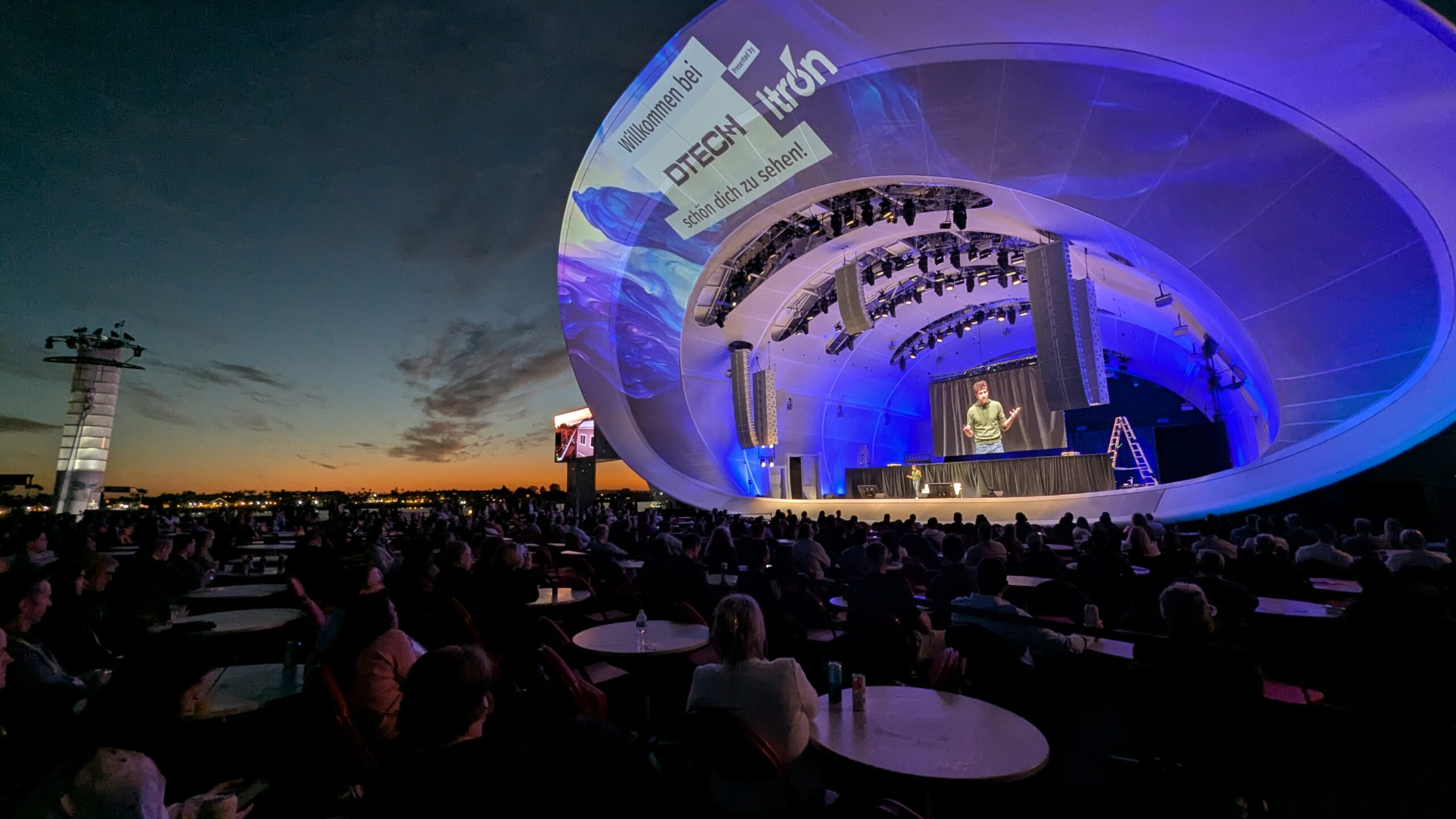
By: Jeremiah Karpowicz, Clarion Energy + DTECH Events, Autonomy Global Media Partner
In the utility world, terms like “innovation” or “evolution” can feel disconnected from the work associated with meeting energy demands. I’ve used these shortcuts myself to get a point across, but they often fail to capture the specific changes we need. DTECH, held this February in San Diego, defined such terms in specific and relevant ways as it brought industry buzzwords to life. The show solidified its spot as the leading Transmission and Distribution (T&D) event for the utility sector because it moved beyond the abstract. By showcasing real-world applications and connecting the people driving the industry forward, DTECH provided attendees with a blueprint around how utilities can create value today and in the future in five specific ways.
From Theory to ROI
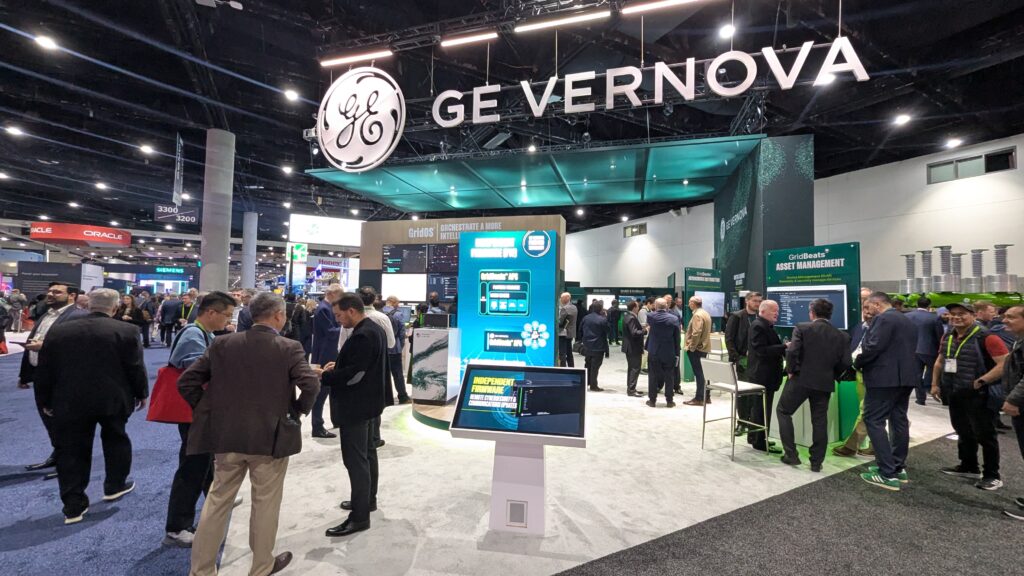
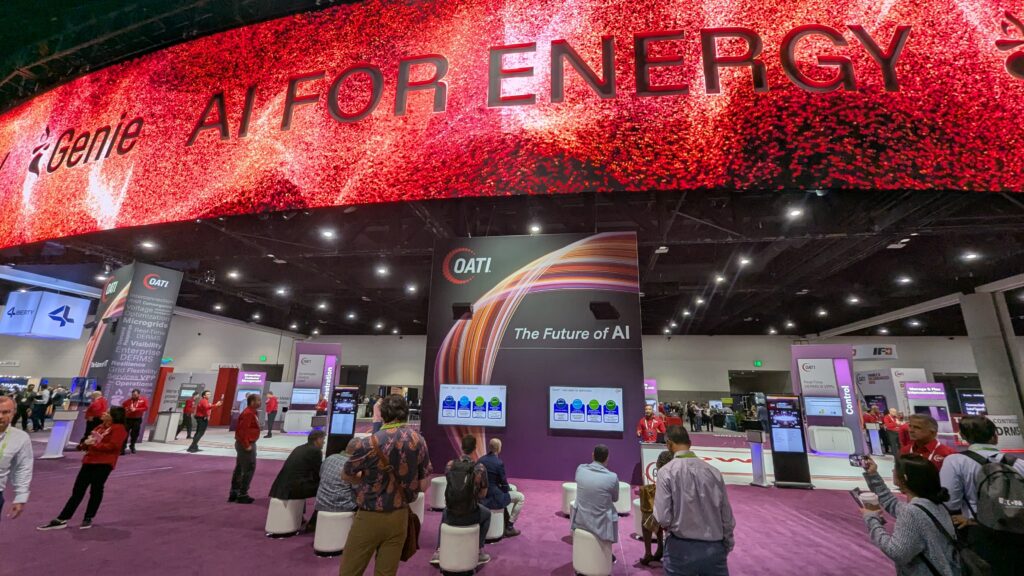
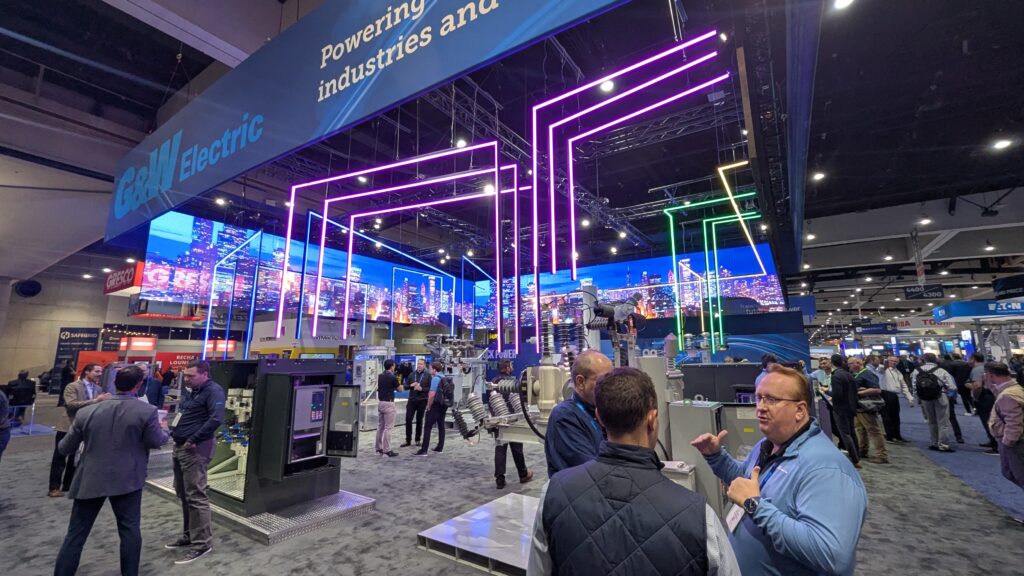
We often get lost in technical specifications and ill-defined promises of transformation. On the DTECH show floor, these abstract concepts took a tangible form. Attendees could move past the marketing claims and see real solutions in action.
The 2026 event showcased numerous practical applications. Hubbell demonstrated this with a hands-on look at their LineDefender™ recloser, which simplifies and secures field operations. Elsewhere, Itron offered a deep dive into real-time grid visibility. Schneider Electric debuted enhancements to its EcoStruxure ArcFM Web, which provides a shared GIS view to align planning and emergency response teams.
Unlike the static displays found at other conferences, DTECH turned theoretical discussions into practical solutions. It accelerated the path to tech implementation by showing exactly how these tools fit a utility’s unique requirements.
Going Beyond the Trends
The DTECH 2026 opening keynote, featuring leadership from SDG&E, PG&E and Duke Energy, went beyond mere talking points on decarbonization and affordability to address the “how” of execution. Their core message? Progress isn’t about clearing the deck but instead a matter of evolving within the constraints of legacy infrastructure and existing teams. True innovation happens when we leverage current data to solve problems in the context of our present reality.
This theme of practical evolution continued with GE Vernova’s introduction of GridBeats and Grid OS, two complementary solutions designed to modernize the electrical grid to handle renewables and aging infrastructure. AWS and Dex Torricke also provided a broader lens on responsible energy sourcing and global societal shifts. DTECH uniquely captured this synergy between macro-trends and operational realities. It fostered big-picture thinking that will influence industry strategy long after the show’s end.
Application Over Information
With over 275 technical sessions and 800 expert speakers, DTECH 2026 offered a staggering volume of information. However, the true value was in the application because active industry practitioners curated the program. The sessions moved beyond simple success stories to reveal the underlying logic of utility problem-solving.
For example, the Wildfire Risk Mitigation and Vegetation Management Symposium proved that utilities make real progress on cutting ignition risk and keeping the lights on in high-threat corridors when they stop hunting for a miracle gadget and start treating wildfire as a system-of-systems problem. Nate Ernst of The Tactien Group mapped out the shifting wildfire technology landscape, then led a panel with experts from AiDASH, Cyberhawk, Exacter, Mosaic, and Sharper Shape, who broke down where utilities are gaining ground, and where they remain bogged down. (Stay tuned for upcoming AG coverage of the Wildfire Mitigation panel at DTEC!)
Ultimately, DTECH also showed that grid modernization will depend on a cultural shift. While search engines and LLMs can provide technical specifications, they can’t outline the thinking that project managers and technology leaders utilize when making decisions about the adoption of a given product or solution. The specific metrics for success and the “why” behind an initiative does not exist in a database. It resides with the experts, such as those that graced the DTECH stages. And it’s the only place you can find these people and learn from their invaluable insights.
A Place to Meet Your Team and Peers
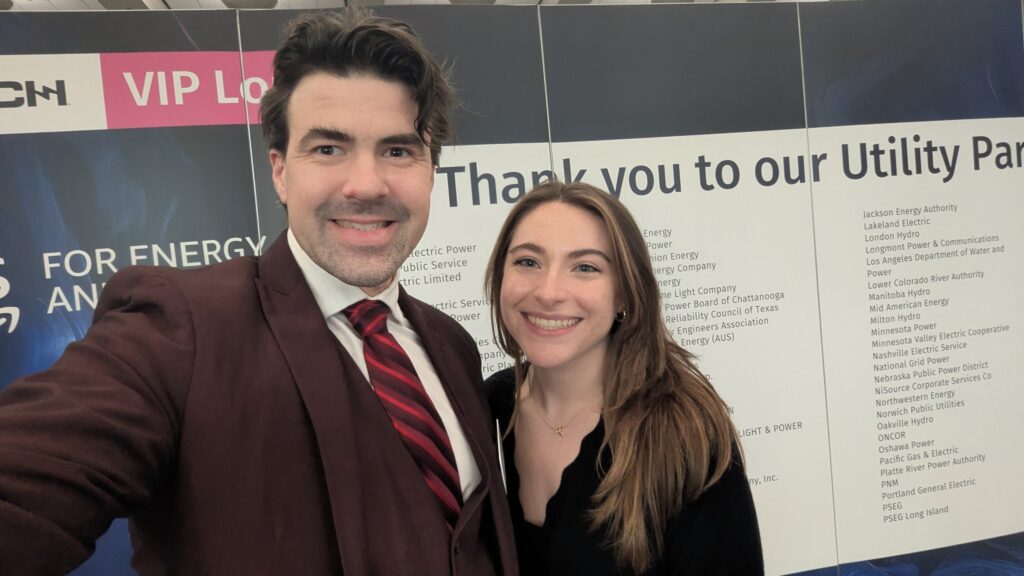
In an increasingly remote world, meaningful connection has become a logistical challenge. While perhaps ironic, this means that you often have to leave the office to actually meet your colleagues. With over 18,000 attendees, DTECH offered a place where industry could do so at an unparalleled depth and level.
I made a point to prioritize these face-to-face moments this year. The results were immediate. A few unplanned conversations with my own team have already sparked a potential expansion of our Future Energy Leaders program, created to give engineering students the chance to experience the show and cultivate the next generation of industry professionals.
Beyond internal bonding, DTECH also provided attendees with a unique opportunity to engage with peers across the sector. Because the utility sector operates on collaboration rather than competition, these exchanges were exceptionally candid with a level of transparency impossible to replicate at events that don’t have such a concentrated assembly of like-minded professionals.
“What’s Now” is More Important Than “What’s Next”
While most industry events obsess over “what’s next,” DTECH shifted the focus from the questions being asked to the perspectives of the people asking them.
We already know the themes for the next edition of DTECH that will take place in Atlanta in 2027, as they’re things we’ll be talking about for the next year and beyond. What does it mean to meet soaring demand while maintaining affordability? How can we squeeze more capacity out of existing transmission lines? And data centers…there’s so much to talk about with data centers. However, the true value of the event will not be about seeing these topics discussed at a high level, but in their localized execution. An AMI 2.0 rollout in the Northeast will likely bear little resemblance to a similar rollout for a utility in the Southeast. A data center integration in Virginia could be a world apart from the approach that can and should be taken in Texas. However, the approach to those rollouts, as well as what it means to work through the challenges associated with them, remains relevant to everyone…and will only be revealed at our next DTEC and to regional events that will take place throughout the rest of 2026. Until we’re in Atlanta for the next edition of our main event, join us at one of those or connect with me on LinkedIn!